
10 High-Yield Vegetables for Small Gardens and Raised Beds
Do you dream of a bountiful harvest despite having limited planting space? Many homeowners struggle to maximize their backyard plots. But you can achieve impressive results with the right strategy. This guide highlights 10 high-yield vegetables for small gardens that thrive in tight quarters.
By focusing on productive crops and efficient spacing, you can transform your outdoor area into a food-producing powerhouse. We will explore how to use vertical supports, succession planting, and smart maintenance. This way, your beds will be productive all season long. Whether you are a beginner or a seasoned grower, these small garden vegetables offer the best return on your time and effort.
If you're still deciding on a bed, our raised bed gardening for beginners guide is a good starting point before you dig into variety picks.
Key Takeaways
Select compact plant varieties to maximize your available square footage.
Utilize vertical trellises to grow upward instead of outward.
Implement succession planting to ensure a continuous supply of fresh produce.
Focus on crops that offer repeated harvests throughout the growing season.
Maintain soil health with organic compost to support dense plant growth.
Plan a Productive Small Garden or Raised Bed
Turning a small area into a productive garden needs careful planning. Good vegetable garden planning lets you use every inch well. It also makes sure your plants get what they need to grow well.
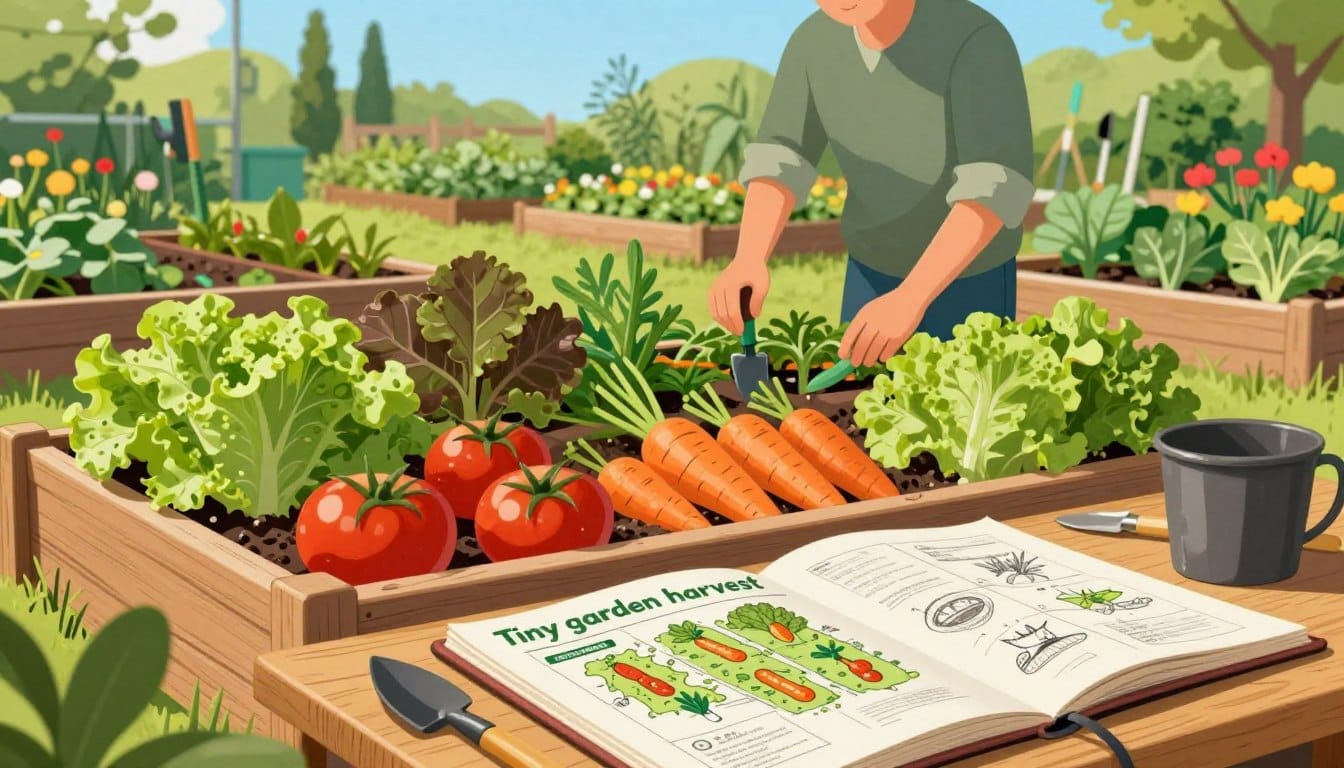
Step 1: Measure Sunlight, Bed Space, and Growing Conditions
Before planting, check your garden's conditions. Most veggies need 6 to 8 hours of sunlight a day to grow well.
Measure your bed size to see how many plants you can fit. Also, check if your soil drains well. Water shouldn't stay too long, or it can harm your plants.
Not sure what size bed to build yet? See our guide to choosing the right raised bed size for help matching bed dimensions to your space.
Step 2: Prioritize Compact Crops With Multiple Harvests
Picking the right plants is key in small spaces. Choose compact vegetable varieties made for small areas.
Go for plants that give you lots of harvests. This way, you get fresh food all season, not just once.
Step 3: Arrange Plants for Vertical and Succession Growing
Vertical gardening is great for small areas. It lets you use more space for other raised bed vegetables. For more ideas, see our vertical gardening for small spaces article.
Try succession planting. Plant new seeds right after you harvest. This keeps your garden busy from spring to fall. Staggering plantings seven to fourteen days apart, as recommended by West Virginia University Extension, spreads the harvest out instead of producing everything at once.
Step 4: Prepare Fertile, Well-Drained Soil
Good soil is the base of a great garden. Aim for fertile raised-bed soil that's easy for roots to grow in. For a full ratio breakdown, see our simple raised bed soil mix recipe.
Use Compost and Organic Matter Without Overfertilizing
Add quality compost to your soil. It helps with structure and keeps moisture in. But, don't overdo it with fertilizer. Too much nitrogen can hurt fruit production.
Install Trellises, Drip Irrigation, and Supports Before Planting
Setting up your garden's structure early is best. It avoids harming your plants' roots later:
Trellises: Crucial for climbing plants like cucumbers and peas. Vertical supports also improve airflow and make harvesting easier, according to University of Minnesota Extension.
Drip Irrigation: Water goes straight to the roots, saving water and preventing disease.
Stakes and Cages: Keep heavy-fruiting plants like tomatoes and peppers stable.
High-Yield Vegetables for Small Gardens: Cherry Tomatoes
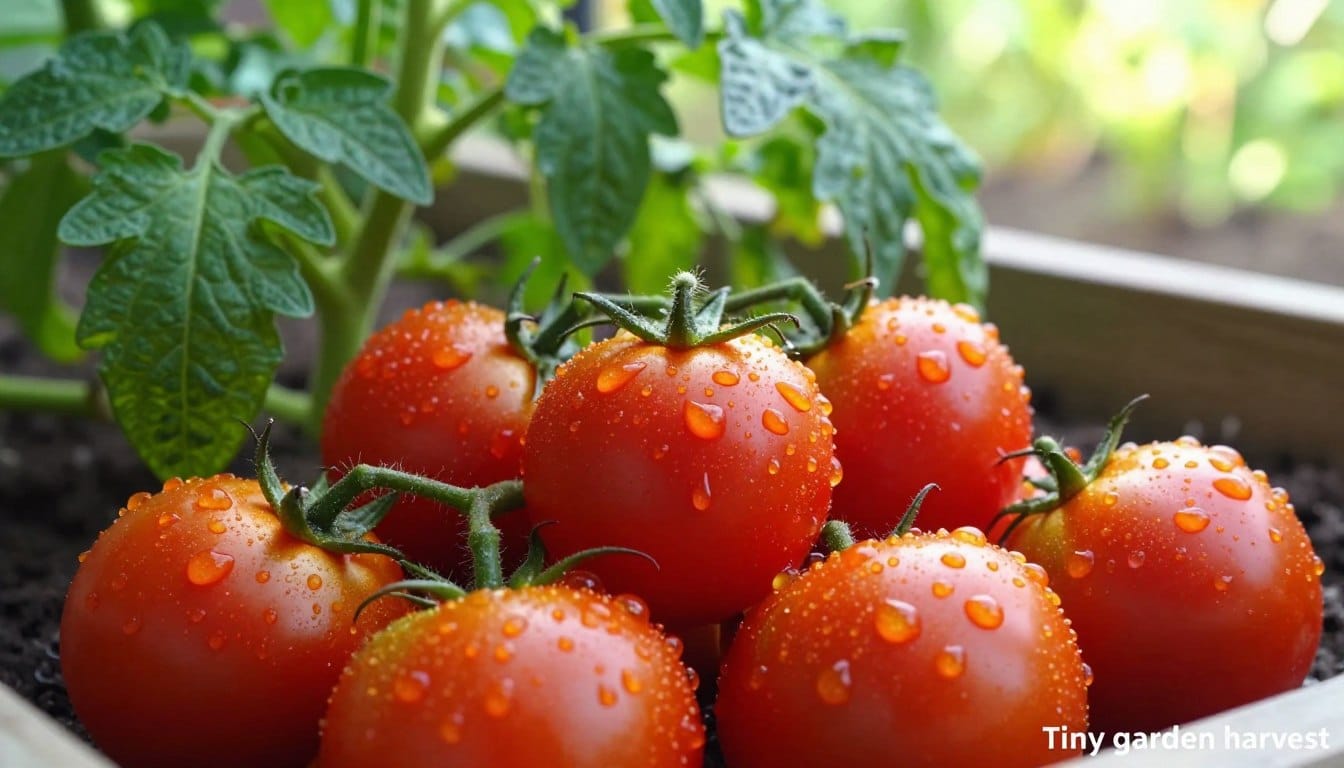
You can enjoy a bountiful harvest of cherry tomatoes even if your gardening space is limited. These plants are incredibly productive. They are a top choice for anyone working with raised beds or containers.
Choose Compact, Determinate, or Patio Tomato Varieties
Choosing the right plant type is key in a small garden. Look for determinate or patio tomatoes. These are bred to stay small and stop growing once they reach a certain size. These are bred to stay small and stop growing once they reach a certain height, flowering and setting fruit within a relatively short window, according to University of New Hampshire Extension.
These varieties do not sprawl like traditional vining types. They are perfect for tight corners where you need to maximize every inch of soil. If you're planning out a full bed, tomatoes typically anchor the tall, rear zone see our sample 4×8 raised bed layout for a full planting map.
Maximize Production With Sun, Support, and Consistent Water
To get the best results, your plants need at least eight hours of direct sunlight every day. Provide sturdy support, such as a cage or stake, to keep the heavy fruit off the ground.
Consistent moisture is vital for healthy growth. Use a drip irrigation system or a soaker hose to keep the soil evenly damp without wetting the leaves.
Prune and Train Plants to Save Raised-Bed Space
Pruning helps you manage the shape of your plants effectively. By removing suckers that grow between the main stem and branches, you encourage the plant to focus energy on fruit production.
Training your plants upward keeps the foliage airy and saves valuable space in your raised bed. This simple habit ensures your cherry tomatoes receive plenty of light and airflow.
Prevent Blossom-End Rot, Cracking, and Common Diseases
Gardeners often worry about blossom-end rot, which usually stems from uneven watering. Keep your soil moisture steady to help the plant absorb calcium properly.
Cracking often occurs after a heavy rain following a dry spell. You can prevent this by maintaining a consistent watering schedule throughout the season.
Always inspect your plants for signs of disease or pests. Early detection allows you to address issues before they spread to your entire crop of patio tomatoes.
Leaf Lettuce for Fast, Repeated Harvests
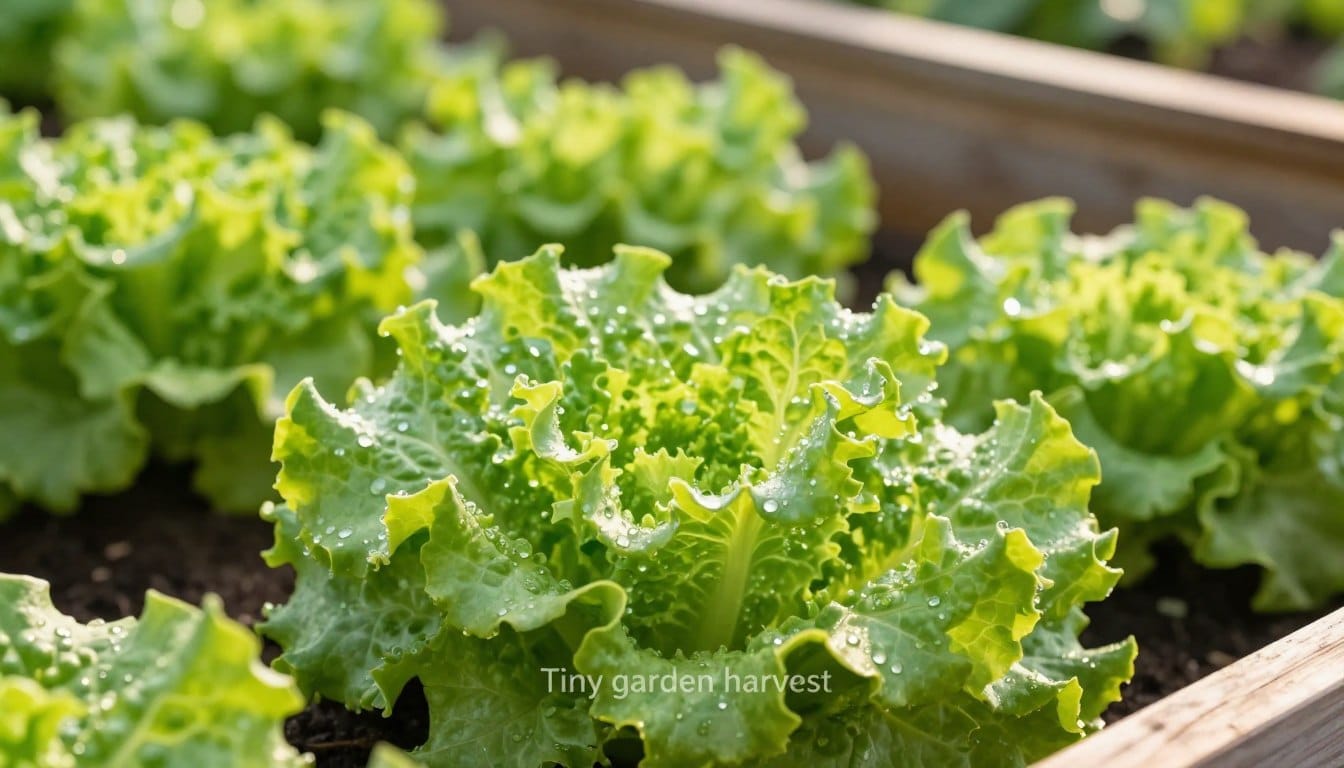
You can have a steady supply of fresh greens by learning a few planting tricks. Leaf lettuce is great for small spaces because it grows fast and doesn't take up much room.
Select Loose-Leaf Varieties for Cut-and-Come-Again Harvesting
Picking the right greens is key to a bountiful garden. Loose-leaf varieties are ideal for cut-and-come-again harvesting. This method lets you pick only what you need for a meal.
Unlike head lettuce, these varieties keep growing from the center. This means you can harvest from the same plant many times during the season. Lettuce pairs well with several of the other crops in this guide — see our small-space vegetable gardening guide for more space-efficient pairings.
Sow Small Batches Every Two to Three Weeks
Planting all your seeds at once can lead to a glut. Instead, plant small batches every two to three weeks. This keeps your garden full of fresh greens all season.
Start seeds indoors or directly in the soil.
Thin seedlings early to allow for proper growth.
Rotate your planting spots to keep the soil healthy.
Provide Afternoon Shade During Hot Summers
Lettuce loves cooler weather and can suffer in the heat. In summer, give it afternoon shade to prevent it from wilting or going to seed too soon.
Use shade cloth or plant your lettuce behind taller plants like tomatoes or peppers. This keeps the leaves cool and extends your growing season.
Harvest Outer Leaves Before Plants Become Bitter
Timing is crucial for flavor. Always pick the outer leaves first, as they are the most mature and ready to eat.
If you wait too long, the plant may start to produce a flower stalk, making the leaves bitter. Regular harvesting helps the plant focus on growing new, sweet leaves instead of seeds.
Bush Beans for Abundant Crops in Limited Space
Bush beans are great for gardeners with small spaces. They don't spread out like pole beans do. This makes them perfect for raised beds and containers. You'll get a steady flow of fresh veggies all season long.
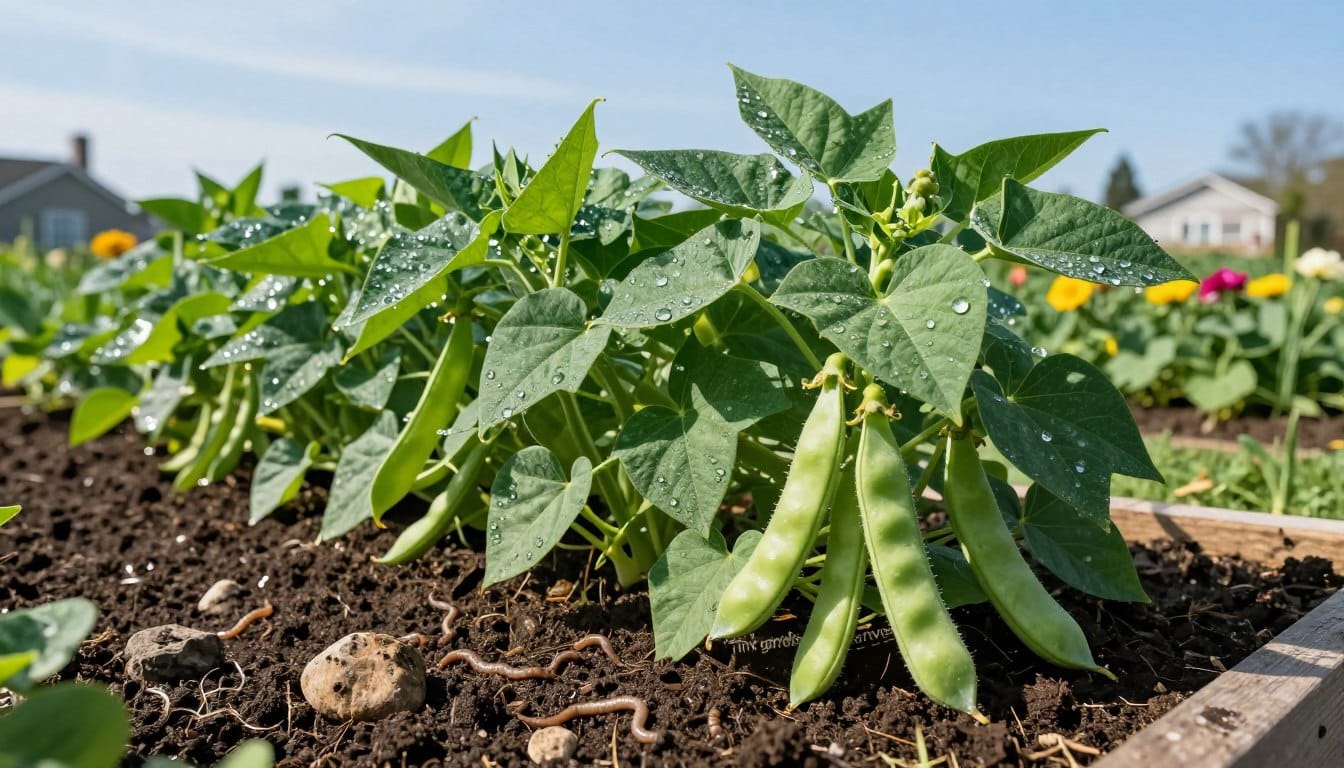
Grow Bush Beans in Succession for a Longer Harvest Window
For a steady harvest, try succession planting. Plant new seeds every two to three weeks. This way, you'll always have fresh beans without too many at once.
Use Dense Spacing Without Sacrificing Air Circulation
You can plant bush beans close together to grow more. But, make sure they have enough room for air. Clemson Cooperative Extension recommends spacing seeds 2 to 4 inches apart within the row, or two rows 18 inches apart in a 4-foot-wide bed. Good ventilation helps prevent diseases like powdery mildew in wet weather, overcrowding is one of the most common raised bed gardening mistakes beginners run into.
Pick Pods Frequently to Encourage Continued Production
Harvesting often keeps your plants going strong. It tells them to make more flowers and beans. Consistent harvesting keeps your beans fresh and productive.
Protect Young Plants From Cold Soil and Bean Beetles
Wait for the soil to warm up before planting. Cold, wet soil can rot seeds. Also, watch out for bean beetles. Row covers in early spring can protect your plants from these pests.
Radishes for Quick Turnover Between Larger Crops
Radishes are a great choice for quick results in your garden. They are fast-growing vegetables that fill gaps in your raised beds. This is while you wait for bigger plants to grow.
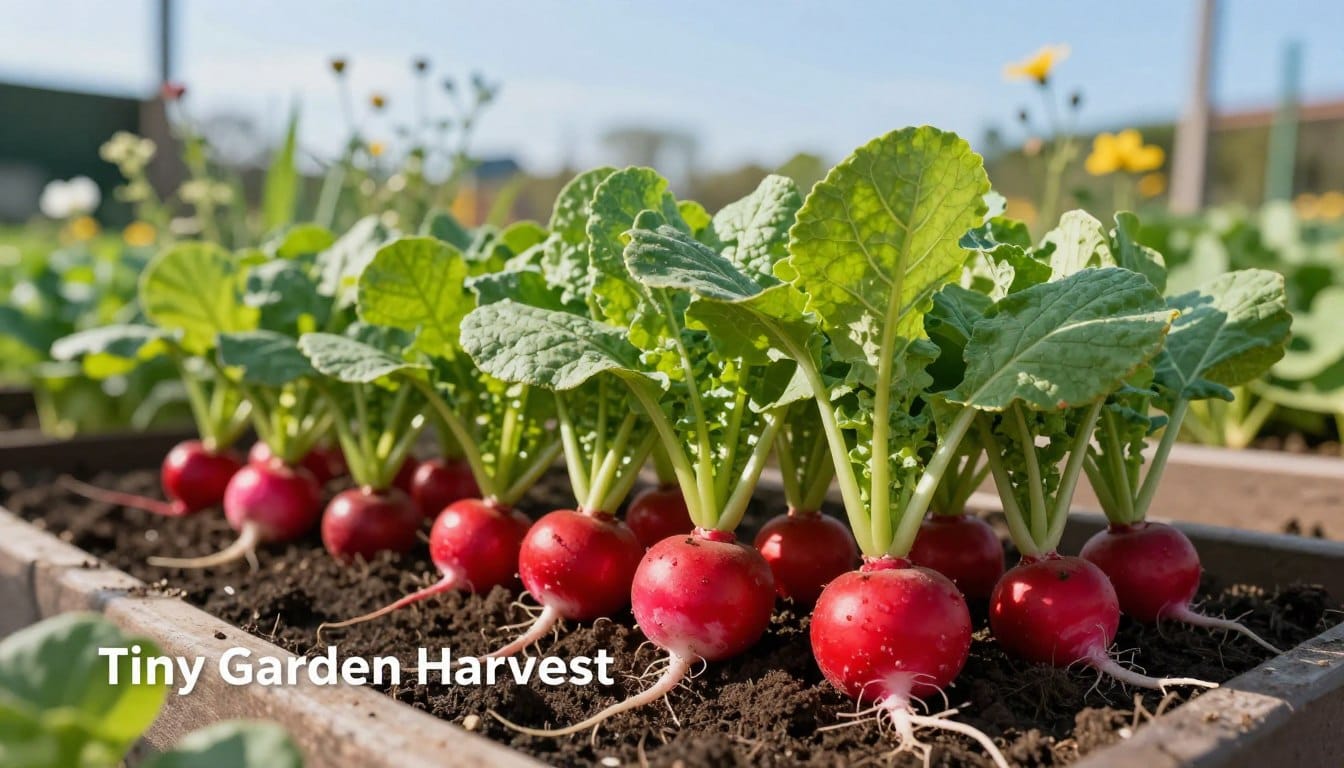
Choose Fast-Maturing Radishes for Spring and Fall Plantings
Radishes do well in cool weather of early spring and late autumn. Pick varieties that take 25 to 30 days to mature. This way, you can have two or three harvests in one season.
Sow Shallow Rows at Short Intervals
To keep a steady flow of fresh radishes, sow seeds every two weeks. This method prevents a huge harvest all at once. Instead, you get a steady supply of radishes all season.
Thin Seedlings to Produce Uniform Roots
After seedlings pop up, thin them to about two or three inches apart. This spacing helps roots grow evenly. It prevents them from fighting for nutrients and water.
Harvest Promptly Before Roots Become Woody or Pithy
Timing is key for radish quality. Pull them as soon as they're ready. Leaving them too long makes them woody or pithy, losing their flavor.
Carrots That Make Efficient Use of Raised-Bed Depth
You can grow lots of crunchy carrots in shallow raised beds. Some carrots are made to grow well in small spaces. Picking the right kind means you'll get lots of carrots without them growing weird.
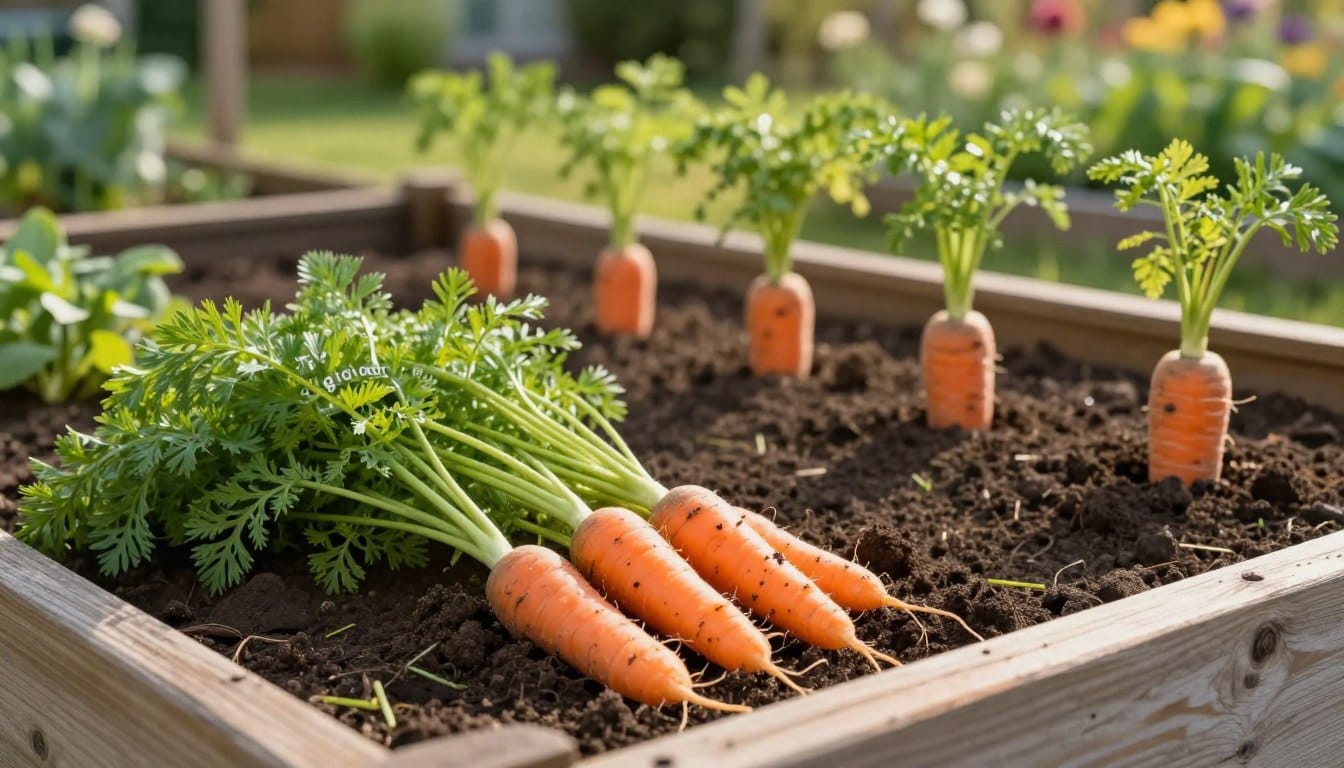
Select Short or Half-Length Carrot Varieties for Shallow Beds
For small spaces, choose "nantes" or "chantenay" carrots. These carrots are short and blunt, perfect for small beds. Both varieties are recommended for shallow, well-drained garden soil by Texas A&M AgriLife Extension, and they grow fast and taste sweet, great for eating fresh.
Prepare Fine, Stone-Free Soil for Straight Roots
Carrots need soft, easy-to-work soil to grow right. If your soil has rocks or clay, the carrots might not grow straight. Sifting your soil to get rid of rocks is key for straight carrots.
Keep Seedbeds Evenly Moist During Germination
Carrot seeds take time to grow and need steady water. Covering the soil with burlap or a thin board helps keep it moist. Once the leaves come out, take off the cover for sunlight.
Use Succession Sowing and Winter Protection for Extended Harvests
Plant small batches every three weeks to keep getting carrots. In cooler places, use a cold frame or row cover to keep them growing late into autumn. This way, you get carrots all season, not just once.
Compact Cucumbers Trained Vertically
Vertical gardening changes how you grow cucumbers. It turns a messy spread into a neat, high-yielding feature. By growing them up, you save space and improve air flow.
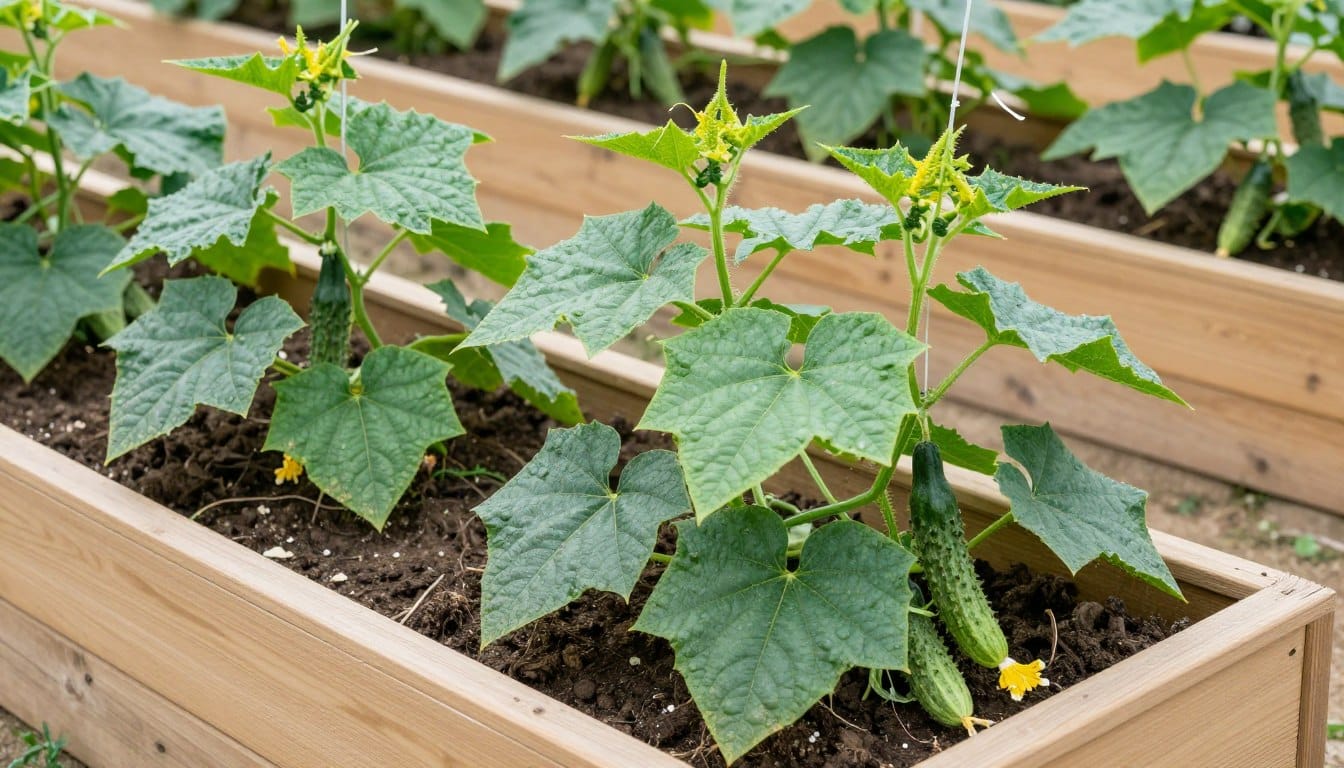
Choose Bush or Compact Vining Cucumbers for Small Spaces
Picking the right type is key. Bush cucumbers are perfect for containers or the front of a raised bed. They grow in a tight, mounded shape. On the other hand, compact vining cucumbers are shorter than traditional types. They do well in tight spots.
Train Vines Up a Strong Trellis to Increase Yield per Square Foot
A sturdy trellis lets you grow more in less space. It keeps fruit off the soil, reducing rot and making picking easier. Vertical gardening also means more sunlight for each leaf. This leads to a better harvest per square foot.
Water Deeply and Mulch to Reduce Stress
Cucumbers need steady moisture for good fruit. Water them at the base to keep leaves dry. Organic mulch helps keep soil moist and prevents temperature swings that stress plants.
Monitor for Cucumber Beetles, Powdery Mildew, and Misshapen Fruit
Keep an eye on your compact cucumbers for health. Watch out for yellow-striped cucumber beetles, which spread bacterial wilt. White, dusty spots on leaves mean powdery mildew. Treat it fast to save your crop.
Swiss Chard for Continuous Leaf Production
Growing Swiss chard means you get fresh greens from spring to the first frost. It's a top pick for gardeners who want a steady supply of greens.
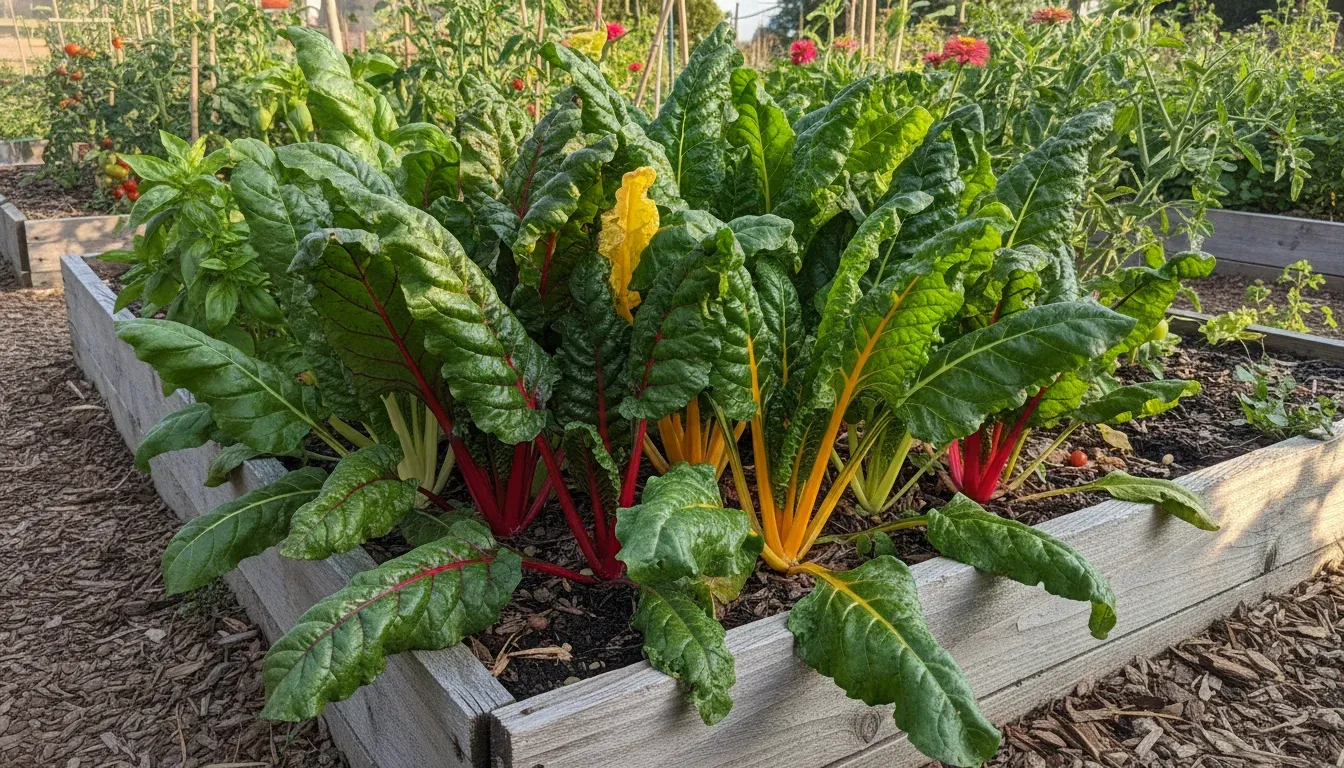
Plant Colorful Chard Varieties for Cool- and Warm-Season Harvests
There are many colorful varieties to choose from. 'Bright Lights' has yellow, red, and orange stems. 'Fordhook Giant' has classic white stalks.
These plants love changing temperatures. They grow well in cool spring soil and handle summer heat.
Harvest the Outer Stalks Without Removing the Growing Crown
Start by picking the biggest outer leaves first. Snap them off near the base to keep the growing crown intact.
This way, the plant grows new leaves from the center. Harvesting like this every week keeps your kitchen full of fresh greens.
Use Partial Shade and Consistent Moisture in Hot Weather
In summer, your plants might need some shade. This prevents leaves from wilting or becoming bitter.
Keep the soil moist for fast leaf growth. Mulch around the plants helps with water retention and keeps roots cool.
Cut Back Mature Plants for a New Flush of Leaves
Prune overgrown or tired plants. Cutting them back to three inches above the soil line encourages new growth.
This method keeps your garden productive late in the season. It's a simple way to get a final harvest before winter.
Peppers for High Value From a Few Plants
Pepper plants are incredibly versatile and productive. Even in a small space, you can get a lot of fresh produce. They make the most of a small area, offering lots of flavor.
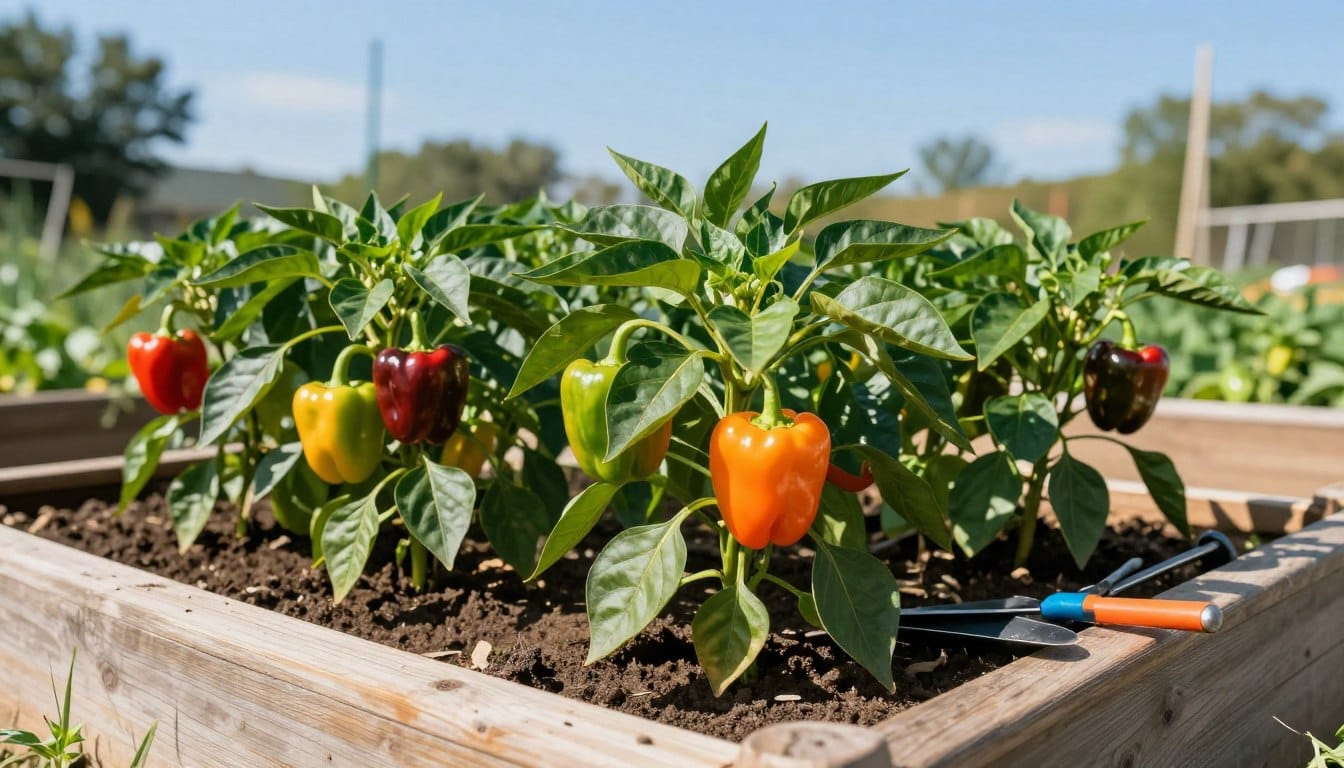
Match Pepper Varieties to the Garden’s Heat and Season Length
Start by picking peppers that fit your climate. For short seasons, choose varieties that grow fast. In warmer areas, try long-season heirlooms that need heat to grow well.
Give Plants Full Sun, Warm Soil, and Steady Feeding
Peppers need at least six to eight hours of sun a day. They also like warm soil. Use dark mulch or raised beds to keep it warm. Extreme heat above 90°F or cold nights below 60°F during flowering can cause blossom drop, according to Michigan State University Extension, so consistent conditions matter as much as feeding. Feed them regularly with organic fertilizer to help them grow more fruit.
Stake Productive Plants Before Branches Become Heavy
When peppers start growing, they can break weak branches. Use stakes or cages early to support them. Staking keeps leaves off the ground, which helps prevent disease.
Harvest Green or Fully Ripe Peppers for Different Uses
When you pick your peppers can affect how much you get. Picking green ones makes the plant produce more. Waiting for them to ripen gives you sweeter, more flavorful peppers. Here are some common times to harvest:
Green stage: Great for cooking and adding crunch to dishes.
Turning stage: Peppers start to color, offering a mix of sweet and tangy.
Fully ripe: Perfect for eating raw, roasting, or drying, with the highest sugar content.
By following these tips, you can get a lot from just a few peppers. With the right care and timing, a small garden can provide fresh ingredients all season.
Summer Squash With Careful Space Management
You can grow a lot of summer squash even with a small garden. These plants spread out, but new varieties fit well in raised beds. By picking the right type and arranging them right, you can get a lot without taking over your garden.
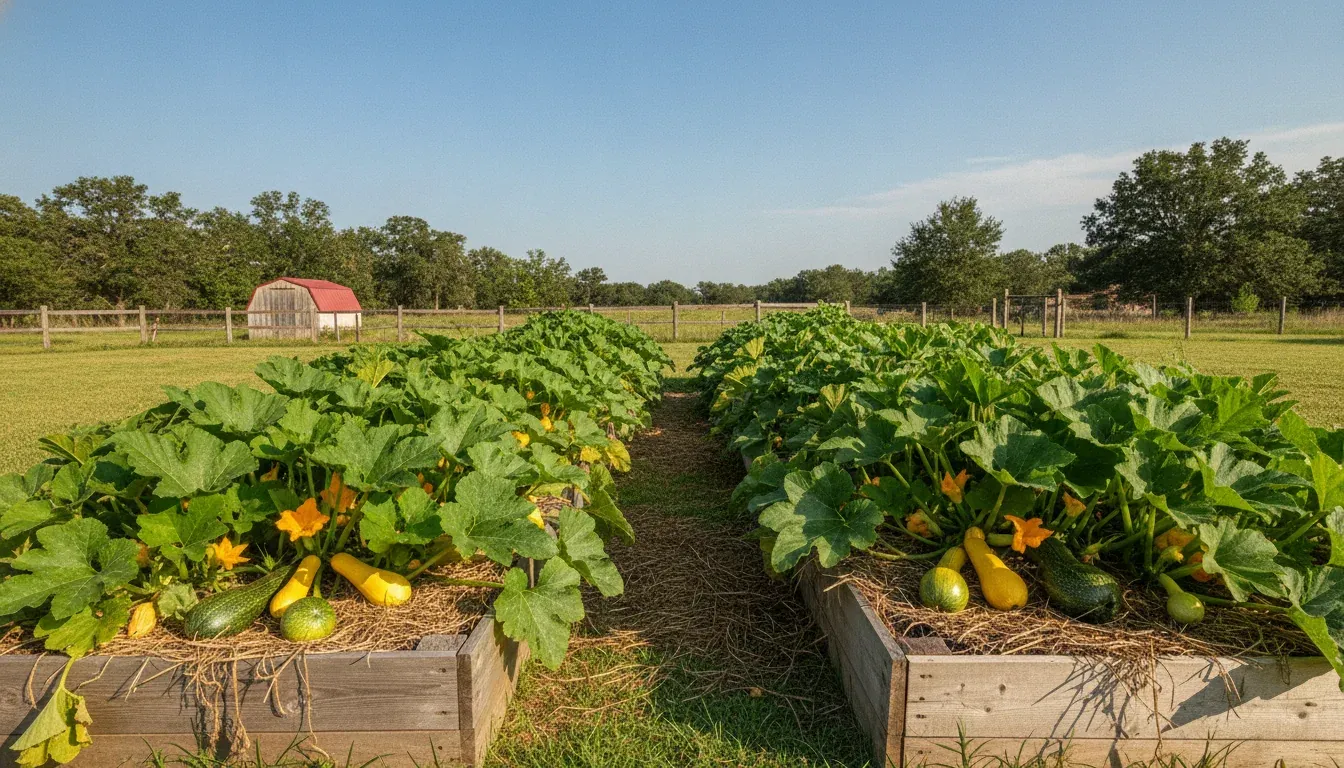
Select Bush, Patio, or Open-Growing Squash Varieties
Picking the right squash is key for a small garden. Bush varieties stay small and upright. Patio types are made for small spaces and grow well in pots.
Open-growing varieties have a structure that lets air flow. They're great for those who don't like tangled squash. Choosing these varieties keeps your squash easy to manage.
Place Plants at the Edge of the Bed to Direct Growth Outward
Placing squash at the bed's edge stops them from shading other plants. This way, their leaves spread out over the lawn, not in the bed. It keeps your garden open for other plants.
This method also makes it easy to check for pests or diseases. It keeps your garden tidy and organized.
Harvest Young Squash Daily for Best Quality and Continued Production
Harvesting squash often keeps it productive. Pick them when they're young and tender, about six to eight inches long. Daily picking stops them from getting too big and stops the plant from making more flowers.
Reduce Powdery Mildew and Squash Vine Borer Problems
Good air flow helps avoid common problems. Water at the base to avoid wetting leaves. If you see squash vine borers, remove damaged parts to save the plant, University of Minnesota Extension notes that once larvae are inside the stem, prevention (row covers early in the season, and checking for entry holes) is far more effective than treatment after the fact.
Green Onions for Small-Space Succession Planting
Green onions are great for small spaces because they grow a lot in little room. They do well in tight spots, like raised beds or containers. With the right planning, you can keep picking them all season long.
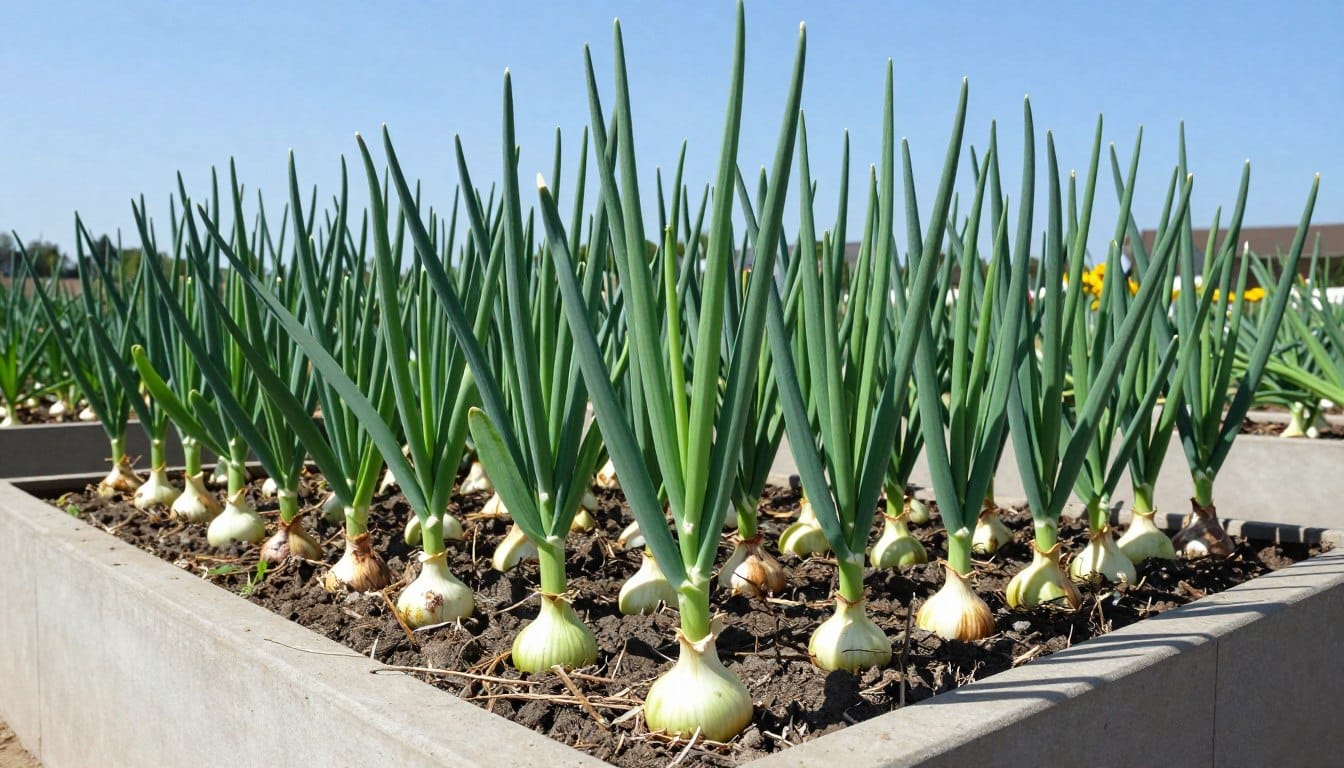
Grow Bunching Onions From Seed, Sets, or Transplants
There are a few ways to start green onions. Seeds are cheap and offer many varieties, but they take longer. Sets or transplants get you growing faster.
Make sure your soil is soft and full of organic stuff. This helps your green onions grow strong. Keep the soil moist when they're first starting out.
Use Tight Rows and Staggered Plantings for a Steady Supply
Green onions can grow close together, making them space-efficient. Plant them just an inch apart to get more from less space. Planting a little bit every two to three weeks keeps your supply steady.
This way, you always have fresh green onions ready. By changing where you plant them, your garden stays productive all spring and into fall. This is key for gardening in small spaces.
Regrow Green Tops From Harvested Plants When Conditions Allow
You can get more harvests from your green onions by letting the white base stay in the soil. If it's right, new green shoots will grow. This gives you a second or even third harvest from the same spot.
Protect Plants From Weeds, Drought, and Onion Thrips
Keeping your green onions healthy means fighting weeds, drought, and pests. Weeds take up space and nutrients, so remove them carefully. Water them regularly to keep the leaves tender.
Watch out for onion thrips, tiny pests that harm the leaves. Use row covers or neem oil to protect your plants. Healthy, well-cared-for plants can fight off these problems better.
Keep Small-Garden Yields High All Season
Successful small-space gardening means making every inch of soil work from spring to autumn. Think of your garden as a living system, not just a static display. This way, you can keep a steady flow of fresh produce.
Use Succession Planting After Early Crops Finish
To get the most from raised-bed vegetable yields, never leave soil empty. Harvest cool-season crops like radishes or lettuce, then clear the area. Plant new seeds or seedlings right away.
Succession planting keeps your garden lively all summer and into fall. It stops weeds and maximizes your growing space.
Combine Companion Crops Without Creating Excessive Competition
Planting different types of plants together saves space and boosts health. For example, pair tall sun-lovers with low-growing greens. This creates a good environment for both — our beginner's guide to companion planting covers which pairings genuinely help and which are just garden folklore.
Make sure plants have enough room for their roots. Proper spacing stops plants from fighting for water and nutrients. This is key for high yields in small spaces.
Water, Feed, Weed, and Mulch on a Consistent Schedule
Consistency is crucial for a thriving garden. Create a routine to check soil moisture daily, especially when it's hot. Also, use organic fertilizer to help plants grow fast.
Apply organic mulch to keep soil moist and control weeds.
Remove weeds early to prevent them from taking nutrients from your vegetables.
Water at the base of plants to keep leaves dry and lower disease risk.
Track Planting Dates, Harvest Amounts, and Pest Problems
Keeping a garden journal is a powerful tool. Record when you planted, how much you harvested, and any pest or disease issues.
This information helps you improve your gardening over time. You'll learn which plants do best in your climate and when to expect common problems.
Refresh Soil Between Crops and Rotate Plant Families
Healthy soil is essential for good harvests. Before replanting, add compost to replace nutrients used by the previous crop.
Avoid planting the same vegetable family in the same spot twice — tomatoes, peppers, and their relatives all belong to the nightshade family, for instance, and rotating them helps prevent a buildup of shared soil-borne diseases, per Penn State Extension. Rotating plant families breaks disease cycles and prevents pests from building up in your beds.
Conclusion
Growing a productive vegetable garden needs smart planning and care.
Choose compact varieties like cherry tomatoes and bush beans. These make the most of small spaces.
Use vertical growth and rich soil to help these plants thrive. This way, even a little space can produce a lot of food.
Succession planting keeps your garden busy from spring to frost. By replacing old crops with new, you always have fresh produce. This keeps your soil working hard all season.
Small-scale gardening is all about observing and adapting. Keep a log of your planting and harvests to improve next year. Adjusting to local weather makes your garden more productive over time.
Your dedication to these details will reward you with a rich harvest in your backyard.
FAQ
Which tomato varieties are best suited for confined raised beds?
For small spaces, choose compact, determinate, or patio tomatoes. Examples include Burpee Patio Princess and Bush Early Girl. These plants grow to a fixed size and produce fruit in a short time. This makes them easy to manage in a raised bed.
Using Fiskars pruning shears to remove suckers can improve airflow and light. This helps the plants grow better.
How does succession planting increase a garden's total yield?
Succession planting means sowing new seeds every two to three weeks. This way, as one crop is harvested, another is ready to take its place. It makes sure no soil is wasted during the growing season.
Can I grow cucumbers vertically to save ground space?
Yes, growing compact vining cucumbers like Bush Slicer or Lemon Cucumber vertically is a great idea. Use a sturdy trellis or A-frame. This keeps the fruit off the ground, reducing disease risk and making monitoring easier.
What is the most efficient way to harvest leaf lettuce for a continuous supply?
Use the cut-and-come-again method with loose-leaf lettuce like Black Seeded Simpson. Harvest only the outer leaves. This lets the plant keep producing multiple flushes of leaves.
Are there specific carrots designed for shallow garden beds?
Yes, for shallow beds, choose short or half-length carrot varieties like Chantenay or Little Finger. They don't need deep soil to grow. Prepare the area well and add Kellogg Garden Organics compost to help.
How do I manage heavy-fruiting pepper plants in a small area?
High-yield peppers can break their branches. Stake them early with bamboo stakes or small cages. Feed them a balanced organic fertilizer like Espoma Garden-tone to help them produce more fruit.
What is the benefit of planting Swiss chard alongside other vegetables?
Swiss chard, especially Bright Lights, is a space-efficient crop. It's heat-tolerant and frost-hardy, providing leaves all season. Remove only the outer stalks to keep it productive for months.
How can I fit summer squash into a restricted garden layout?
Grow bush or patio squash varieties instead of vines. Plant them at the bed's edge. This lets the leaves drape over, freeing up the center for other crops. Harvest young squash daily to keep the plant producing
Why is consistent watering critical for high-yield vegetables?
Vegetables in tight plantings compete for water. Inconsistent watering can cause problems like blossom-end rot in tomatoes. Use a drip irrigation system or Soaker Hose to water the roots directly.
How should I refresh the soil between successive crops?
Refresh the soil after an early crop like radishes is done. Add a few inches of fresh compost or Miracle-Gro Performance Organics. This replaces lost nutrients and improves soil structure for the next crop.
Ready to Plan Your Vegetable Garden?
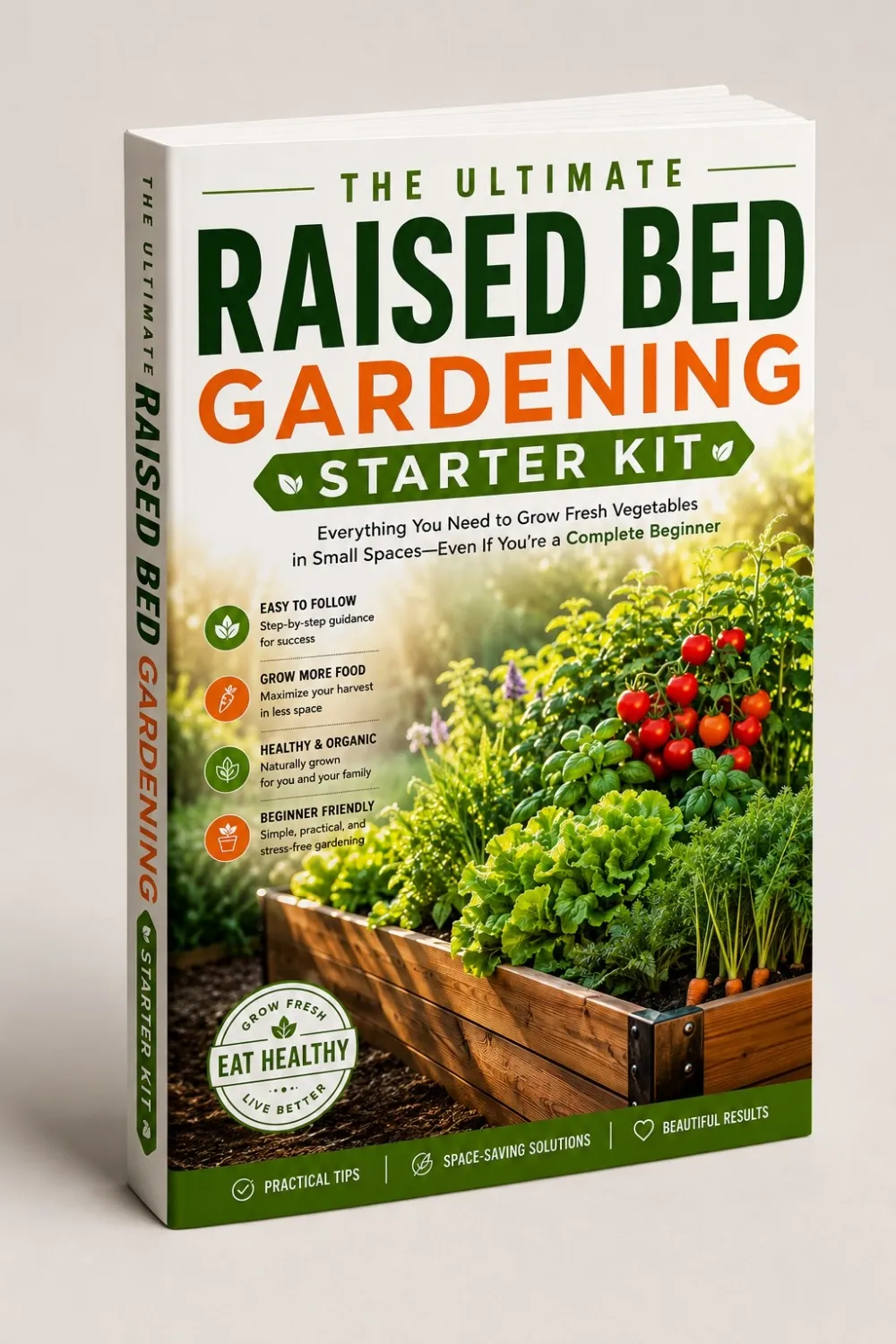
If you're starting your first raised bed, get The Ultimate Raised Bed Gardening Starter Kit for beginner-friendly help with planning your garden, choosing vegetables and preparing your growing space.
Written by:
Wren Hartley
SHARE




About me
Hi there 👋 I’m Wren Hartley, the creator of Tiny Garden Harvest. I love helping beginners grow fresh food and enjoy bigger harvests from small spaces. 🌱

Trending
learn the basics of location, soil, vegetables, spacing, watering, and care.
Grow more food in less space with raised beds, vertical gardening, and smart crop choices.
Learn an easy raised bed soil mix using topsoil, compost, and aeration material.
Free E-book
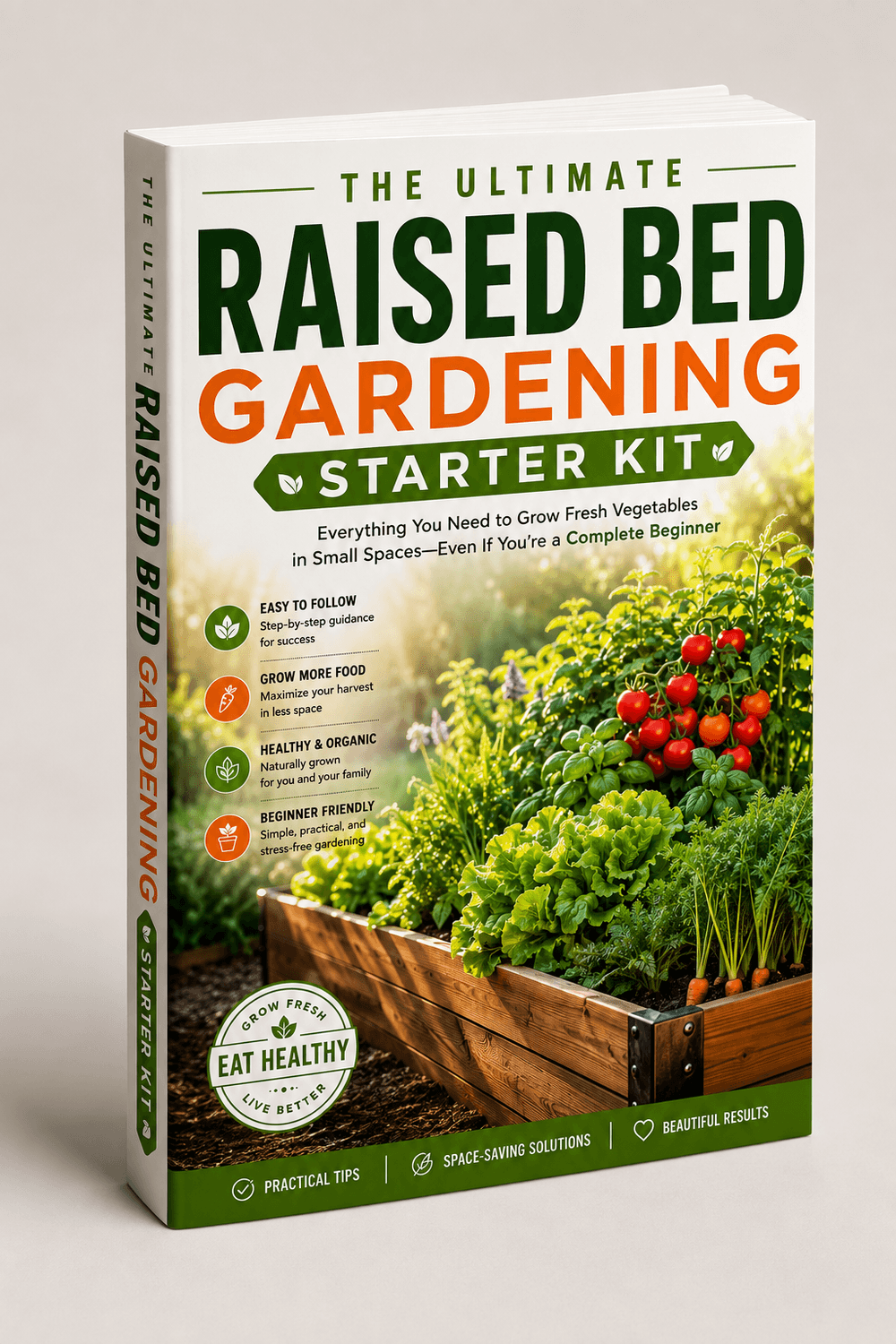
Grab your free Ultimate Raised Bed Gardening Starter kit -Ever if you've not garden before.
NEW FREE E-BOOK: Grow Fresh Vegetables in Small Spaces Even If You've Never Gardened Before