
How to Grow More Vegetables in a Small Space
You don't need a huge backyard to grow fresh vegetables.
With good planning, even a small yard, patio or compact outdoor area can become a productive vegetable garden.
The key is to make better use of the space you already have.
1. Start With the Sunniest Space
Before building your garden, observe your outdoor space.
Most fruiting vegetables, including tomatoes and peppers, perform best when they receive plenty of direct sunlight.
Don't automatically put your raised bed in an empty corner just because it fits there.
Choose your growing location first, then plan the garden around it.
2. Use Raised Beds
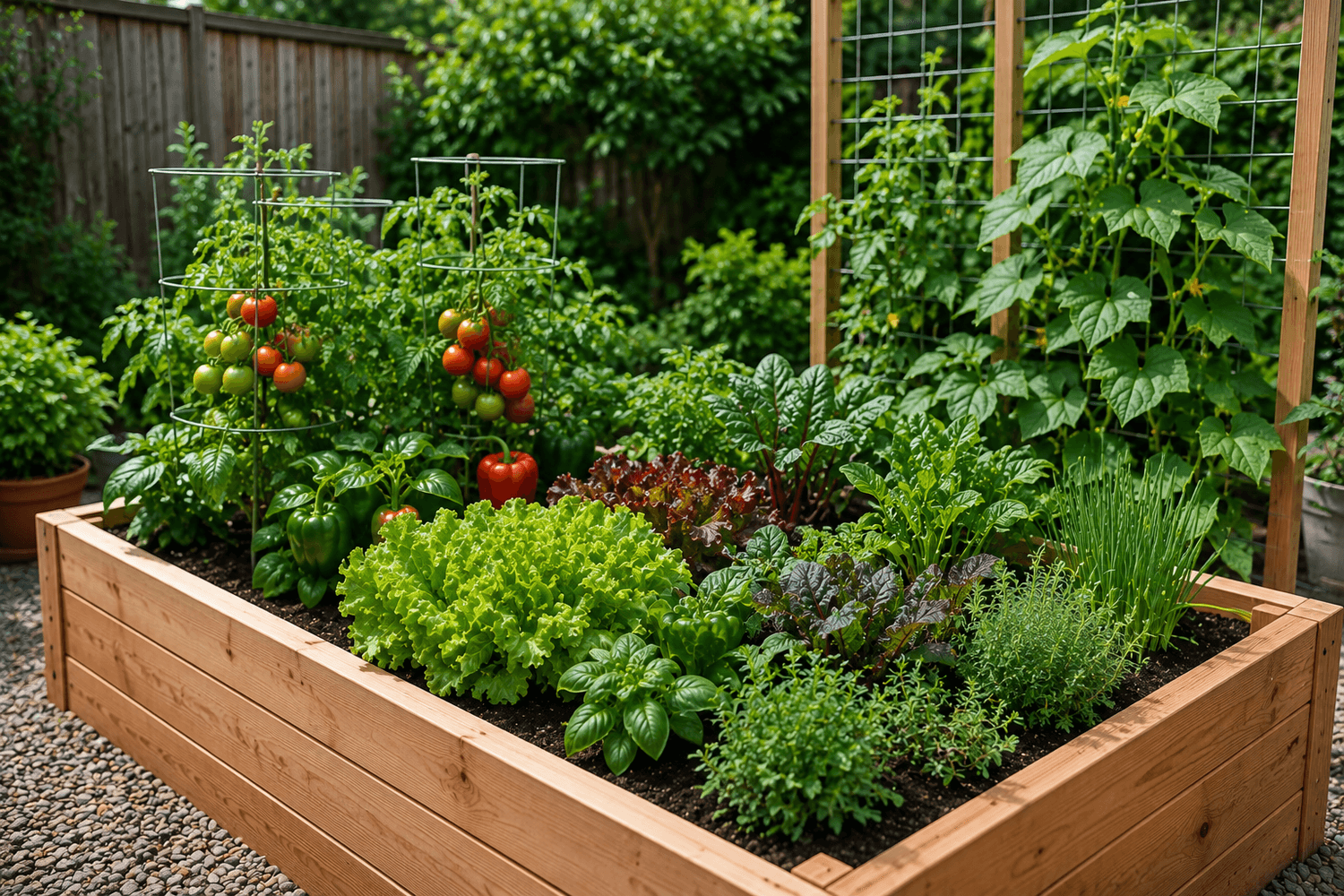
Raised beds are useful for small gardens because they create a clearly defined growing area and allow you to control the soil more easily.
They also make it easier to plan exactly where each vegetable will grow.
You don't need several beds to begin.
One well-planned raised bed can produce a surprising variety of vegetables.
3. Choose Productive Crops
When space is limited, think carefully about what deserves room in your garden.
Good options can include:
Most importantly, grow vegetables you actually enjoy eating.
4. Don't Overcrowd Your Plants
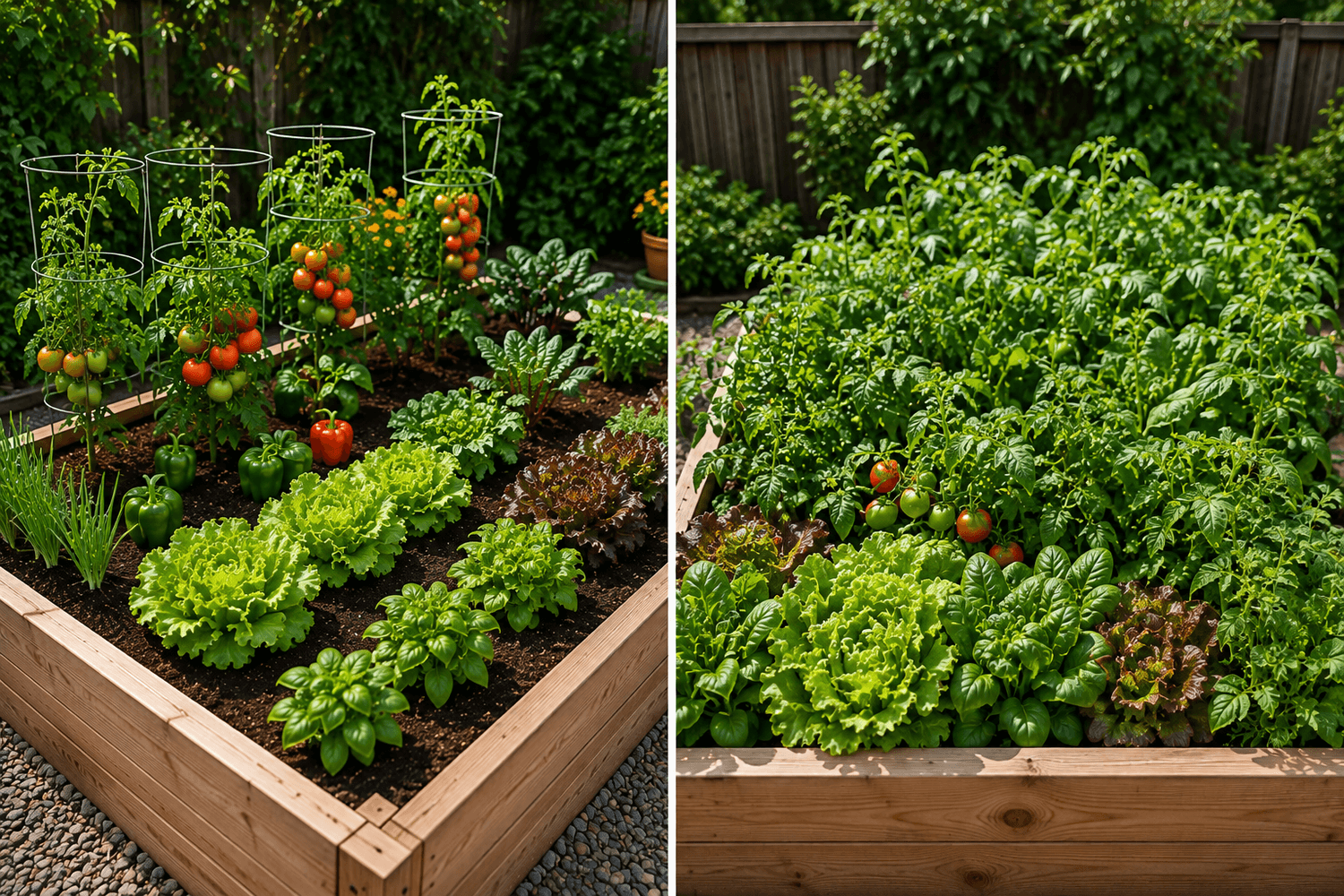
Trying to squeeze more plants into your raised bed doesn't necessarily mean you'll get more food.
Crowded vegetables compete for sunlight, water and nutrients and may have reduced airflow.
Plan according to the mature size of each crop not the size of the seedlings when you plant them.
5. Grow Up When You Can't Grow Out
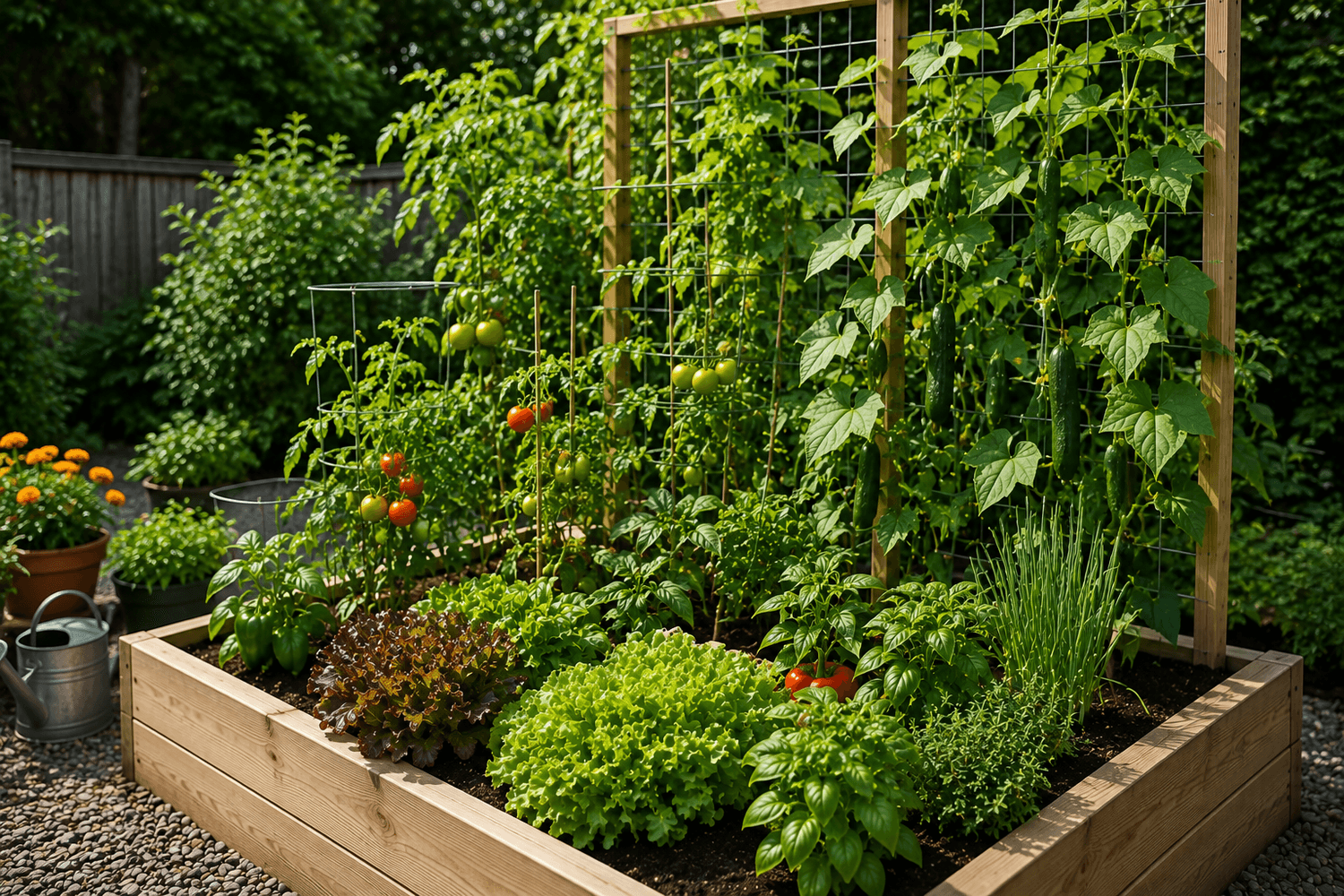
Vertical gardening is one of the most useful techniques for small spaces.
Suitable climbing crops can be trained onto:
Stakes
Cages
Stakes
Other sturdy supports
Tomatoes, peas and suitable cucumber varieties are examples of crops that can make use of vertical space.
Position tall crops carefully so they don't unnecessarily shade shorter plants.
6. Use the Edges of Your Garden
Don't forget the edges and corners of your raised bed.
Smaller crops and herbs can sometimes fit into spaces that aren't suitable for larger vegetables.
For example, you might use suitable areas for lettuce, green onions, radishes or compact herbs while reserving larger spaces for tomatoes and peppers.
The goal isn't to fill every centimetre.
It's to use available space intelligently.
7. Plant for More Than One Harvest
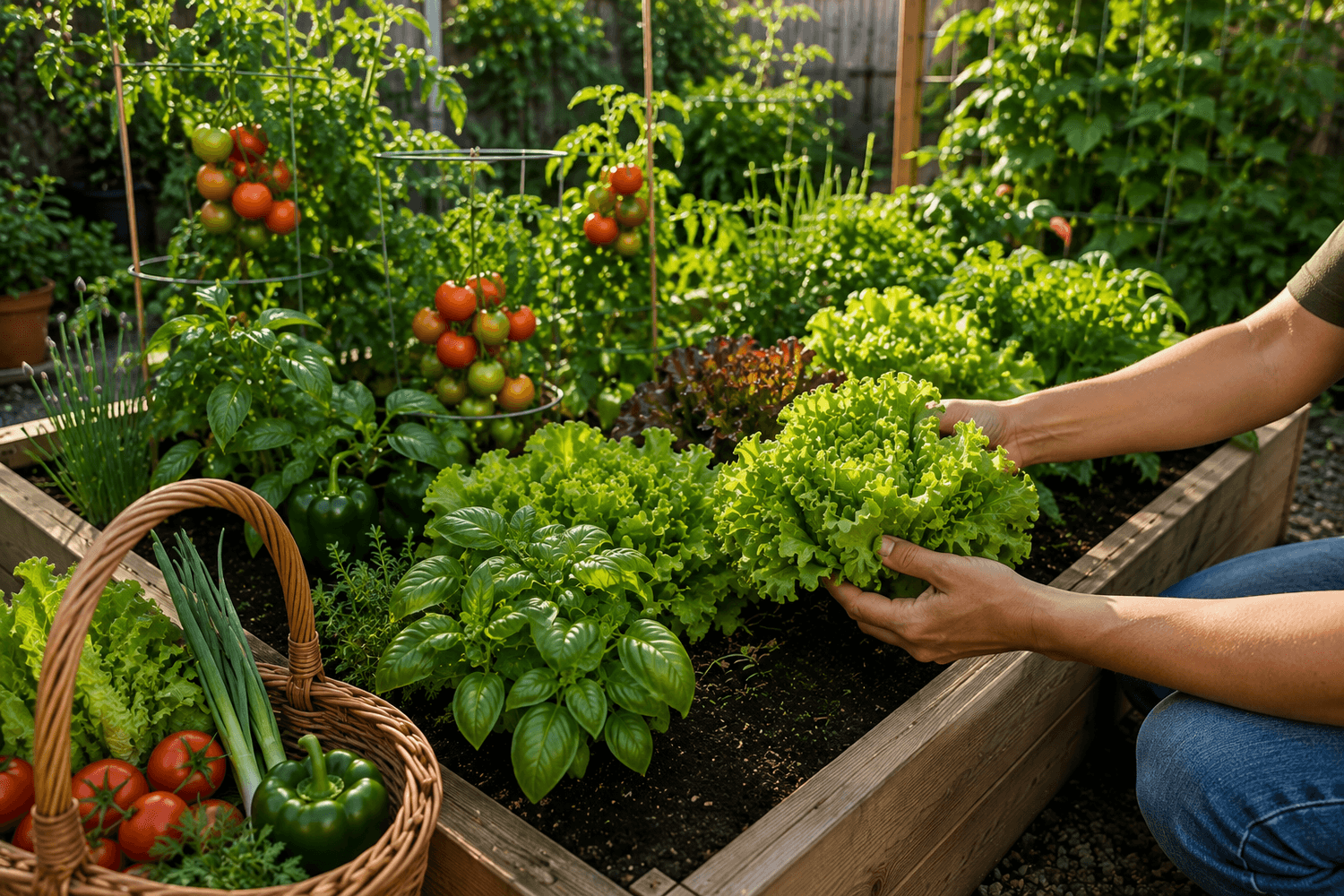
Some vegetables allow repeated harvesting rather than requiring you to remove the entire plant immediately.
For suitable leafy crops, harvesting mature outer leaves while leaving the growing point can extend production.
Regular harvesting of crops such as beans can also help you make better use of productive plants.
Start Small and Improve Each Season
Your first small vegetable garden doesn't need to be perfect.
Start with one manageable growing area and a few vegetables.
Learn which crops perform well in your conditions, then improve your layout during the next planting season.
A thoughtfully planned small garden can be far more useful than a large garden that's difficult to maintain.
Ready to Start Your Small Garden?
If you're new to raised-bed gardening, The Ultimate Raised Bed Gardening Starter Kit can help you plan your first garden, choose vegetables and understand the basics before planting.
Written by:
Wren Hartley
SHARE



About me
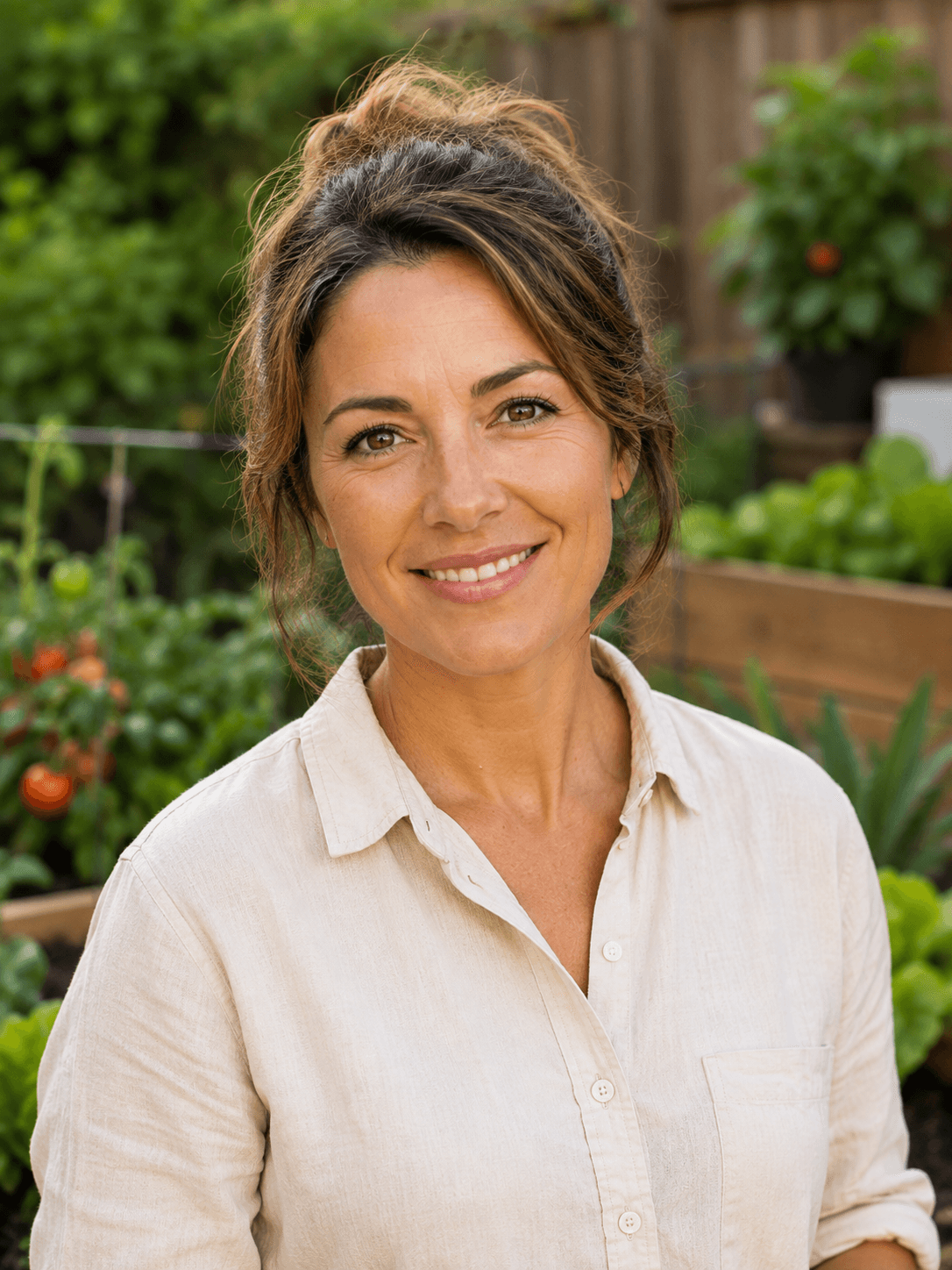
Hi there 👋 I’m Wren Hartley, the creator of Tiny Garden Harvest. I love helping beginners grow fresh food and enjoy bigger harvests from small spaces. 🌱

Trending
learn the basics of location, soil, vegetables, spacing, watering, and care.
Grow more food in less space with raised beds, vertical gardening, and smart crop choices.
Learn an easy raised bed soil mix using topsoil, compost, and aeration material.
Free E-book
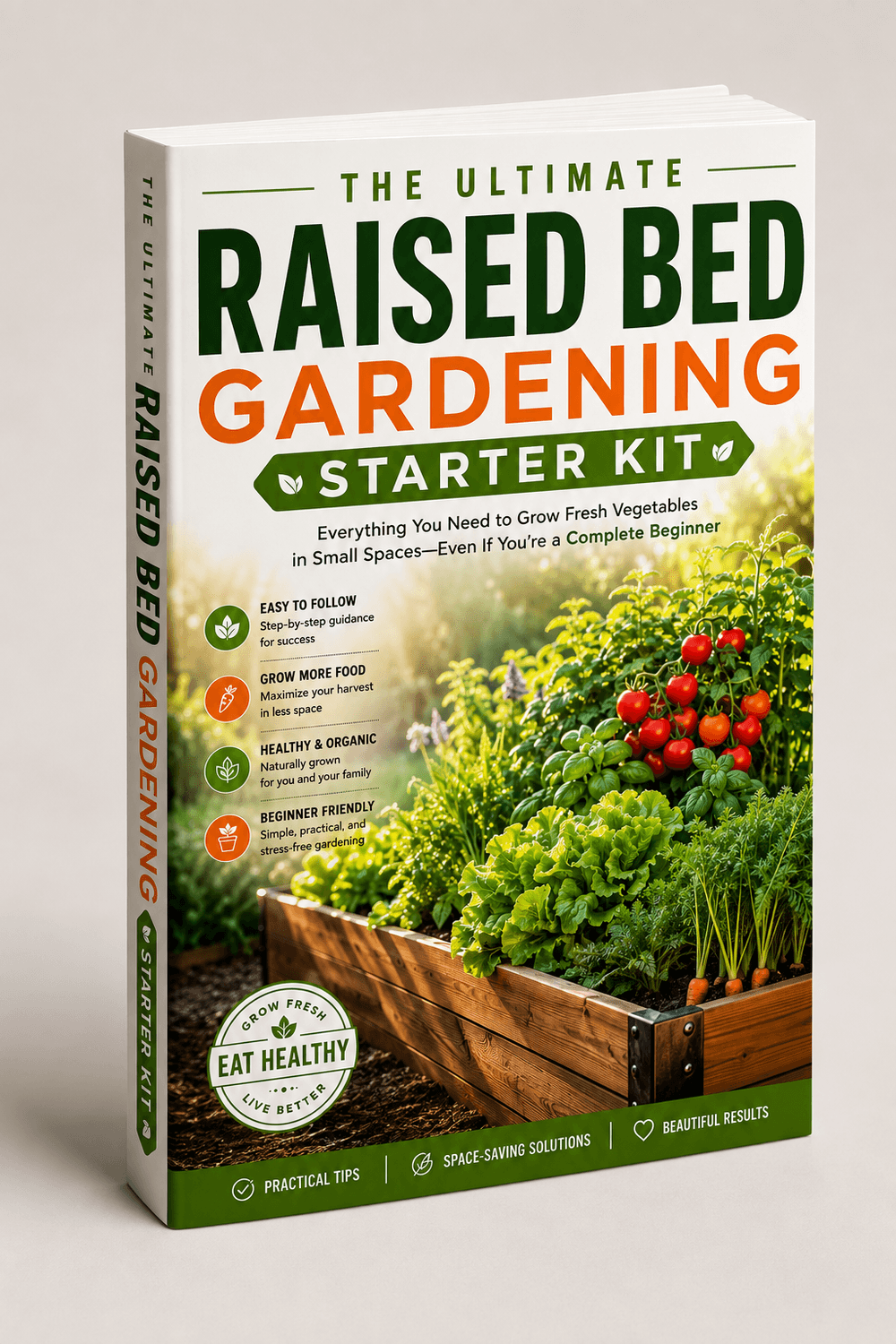
Grab your free Ultimate Raised Bed Gardening Starter kit -Ever if you've not garden before.
NEW FREE E-BOOK: Grow Fresh Vegetables in Small Spaces Even If You've Never Gardened Before