
Raised Bed Gardening for Beginners: A Complete Getting Started Guide
New to raised bed gardening? This beginner-friendly guide walks you through choosing the right location, preparing healthy soil, selecting vegetables, planning your layout, watering correctly, and caring for your first raised bed.
Starting a vegetable garden can feel complicated when you're new to growing food. There are seeds to choose, soil to prepare, watering to figure out, and dozens of opinions about the “right” way to garden.
The good news is that you don't need a huge backyard or years of gardening experience to get started.
A single, well-planned raised bed gives you a manageable place to learn how plants grow while producing fresh vegetables and herbs just steps from your home.
If you've been wondering how to start a raised bed garden, here's the process from beginning to first harvest.
What Is Raised Bed Gardening?
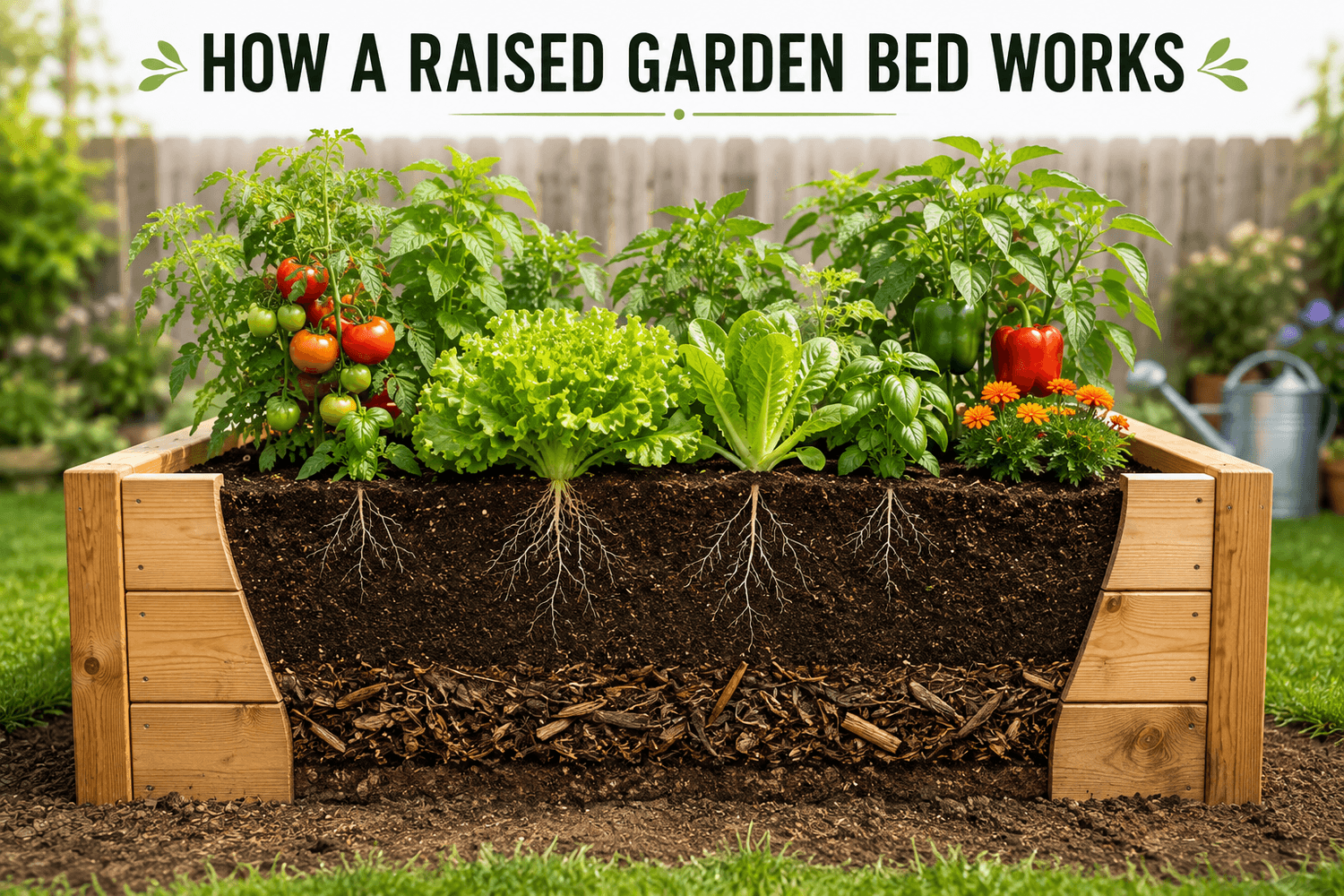
A raised bed is a defined growing area where the soil sits above the surrounding ground.
The sides may be constructed from wood, metal, stone, composite material, or another garden-appropriate material. Some beds are only slightly elevated, while others are tall enough to reduce bending.
Unlike a traditional in-ground garden, a raised bed gives you greater control over your immediate growing environment. You can choose the soil, determine the dimensions, plan where individual crops will grow, and concentrate your efforts in a relatively small area.
That makes raised beds especially appealing to beginners and small-space gardeners.
Why Raised Beds Work Well for Beginners
Raised beds don't guarantee gardening success, but they can make several parts of vegetable gardening easier to manage.
You Have More Control Over Your Soil
Instead of relying entirely on the existing soil in your yard, you can create a growing mix with good structure, drainage, moisture retention, and organic matter.
This is especially helpful if your existing soil is compacted or difficult to work.
You Can Grow Food in Less Space
You don't have to convert an entire backyard into a vegetable garden.
A carefully positioned raised bed can fit into a small backyard, side yard, courtyard, or other sunny outdoor area.
Planning Becomes Easier
Defined boundaries make it easier to think about:
Plant spacing
Crop placement
Watering
Trellising
Succession planting
Maintenance
You know exactly where your growing space begins and ends.
They're Easier to Access
A properly designed bed allows you to reach your vegetables without repeatedly walking over the growing soil.
Taller beds can also reduce some of the bending required for ground-level gardening.
Beginner tip: Start with one manageable raised bed. Learning to care for one productive bed is usually more useful than building several beds you struggle to maintain.
1. Find the Right Location
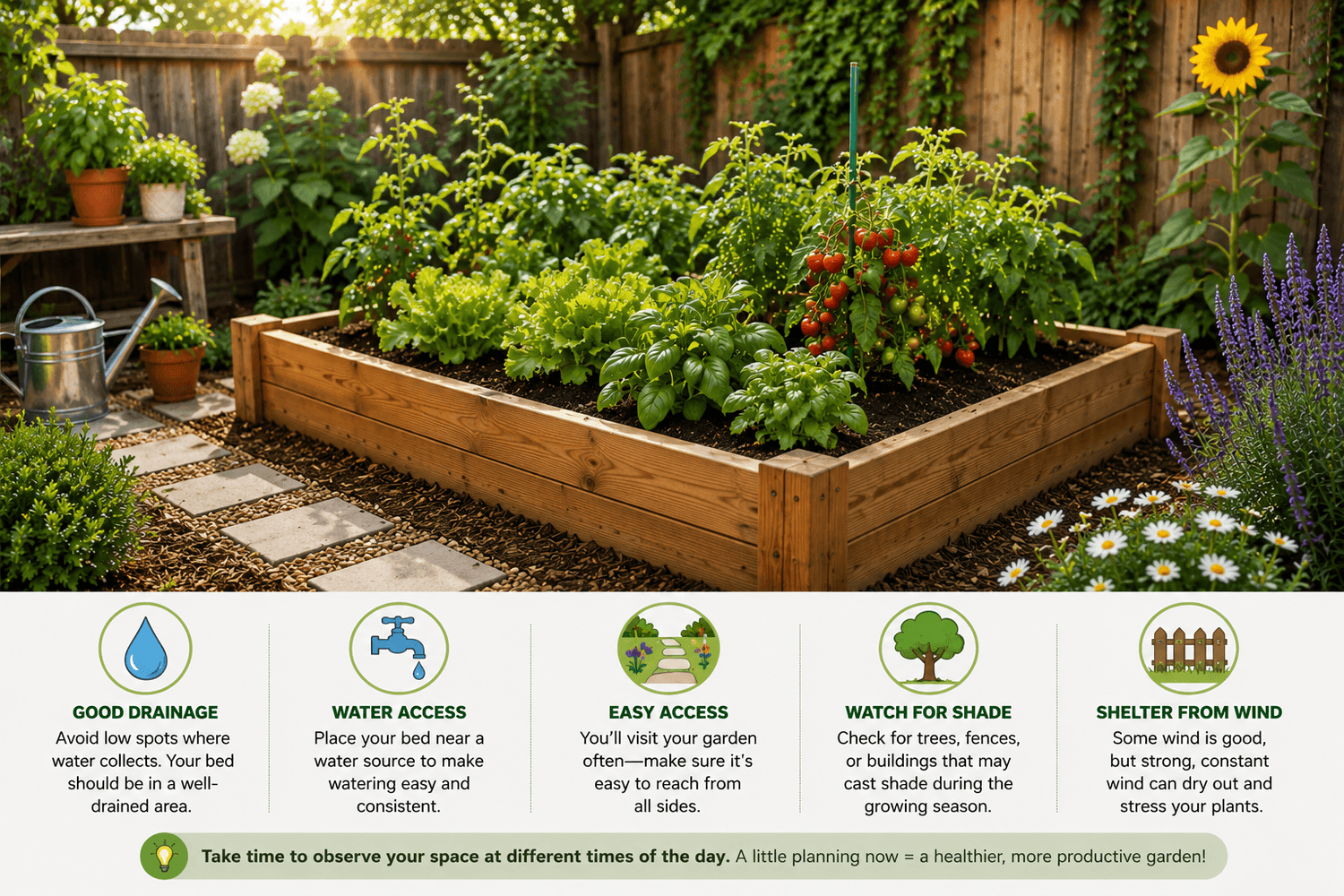
Your first decision shouldn't be what vegetables to buy.
It should be where your garden will go.
Start With Sunlight
Most vegetables grown for their fruits including tomatoes, peppers, cucumbers, and beans prefer plenty of direct sunlight.
Watch your proposed garden area at different times of day. A spot that looks sunny in the morning may become shaded by a building, fence, or tree later.
Leafy vegetables such as lettuce can generally tolerate less direct sun than many fruiting crops, so imperfect spaces can still offer useful growing opportunities.
Check the Drainage
Avoid areas where water regularly collects after heavy rain.
Raised beds can improve conditions around the root zone, but placing one in a chronically waterlogged area can still cause problems.
Make Your Garden Convenient
Ask yourself:
Is a water source nearby?
Can I comfortably walk around the bed?
Will I see the garden regularly?
Can I easily bring in soil and compost?
Is harvesting convenient?
A garden that's easy to visit is much easier to maintain.
2. Choose a Manageable Raised Bed Size
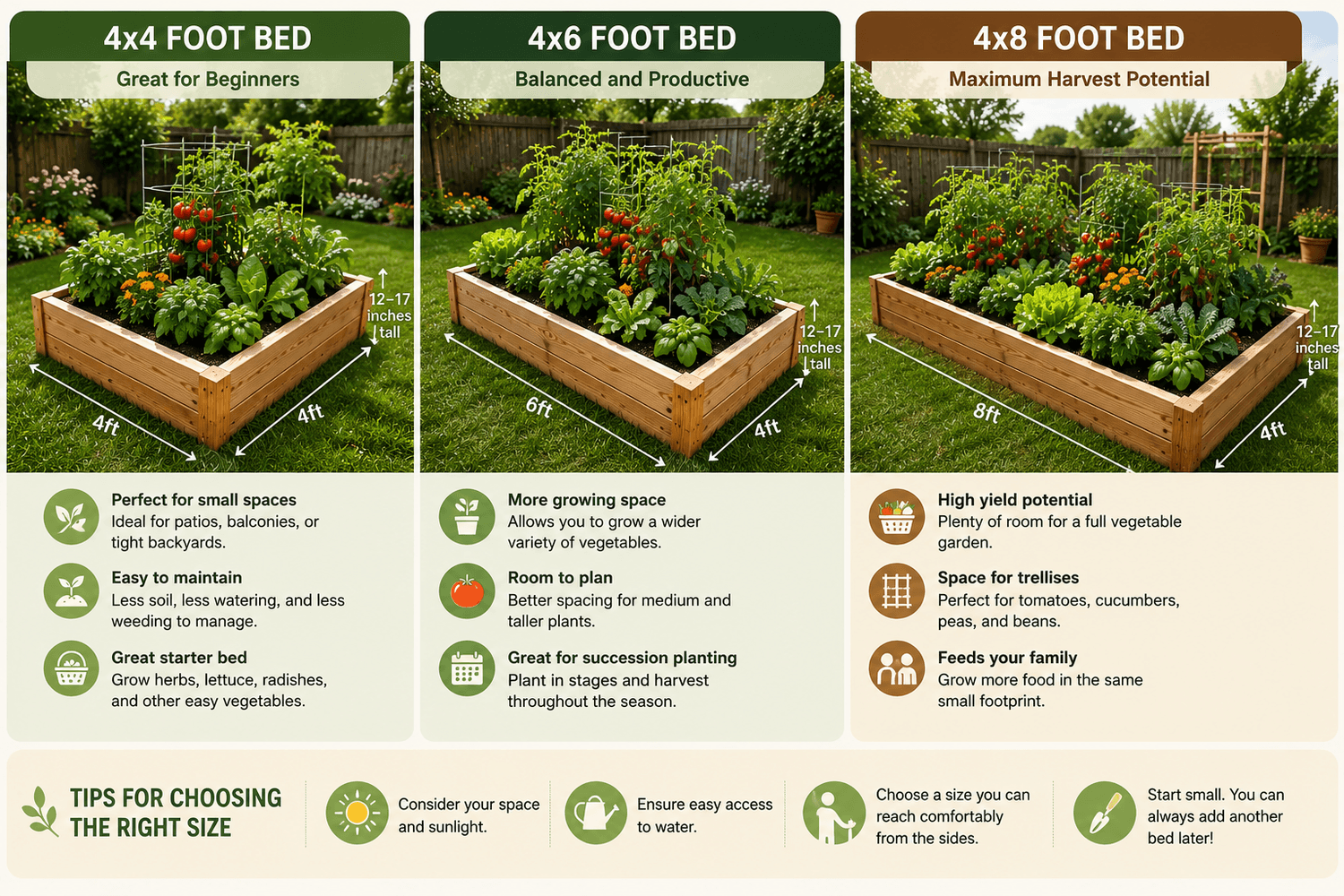
It's tempting to build the largest garden that will fit in your yard.
Bigger isn't always better.
For your first garden, choose a bed you can comfortably plant, weed, water, inspect, and harvest.
A width of around 4 feet is common when the bed can be accessed from both long sides because many gardeners can reach toward the center without stepping into the growing area.
If the bed is accessible from only one side, make it narrower.
Lengths such as 4×4, 4×6, and 4×8 feet can all work depending on your available space.
Simple rule: You should be able to reach your plants without walking on your growing soil.
3. Build Healthy Soil From the Beginning
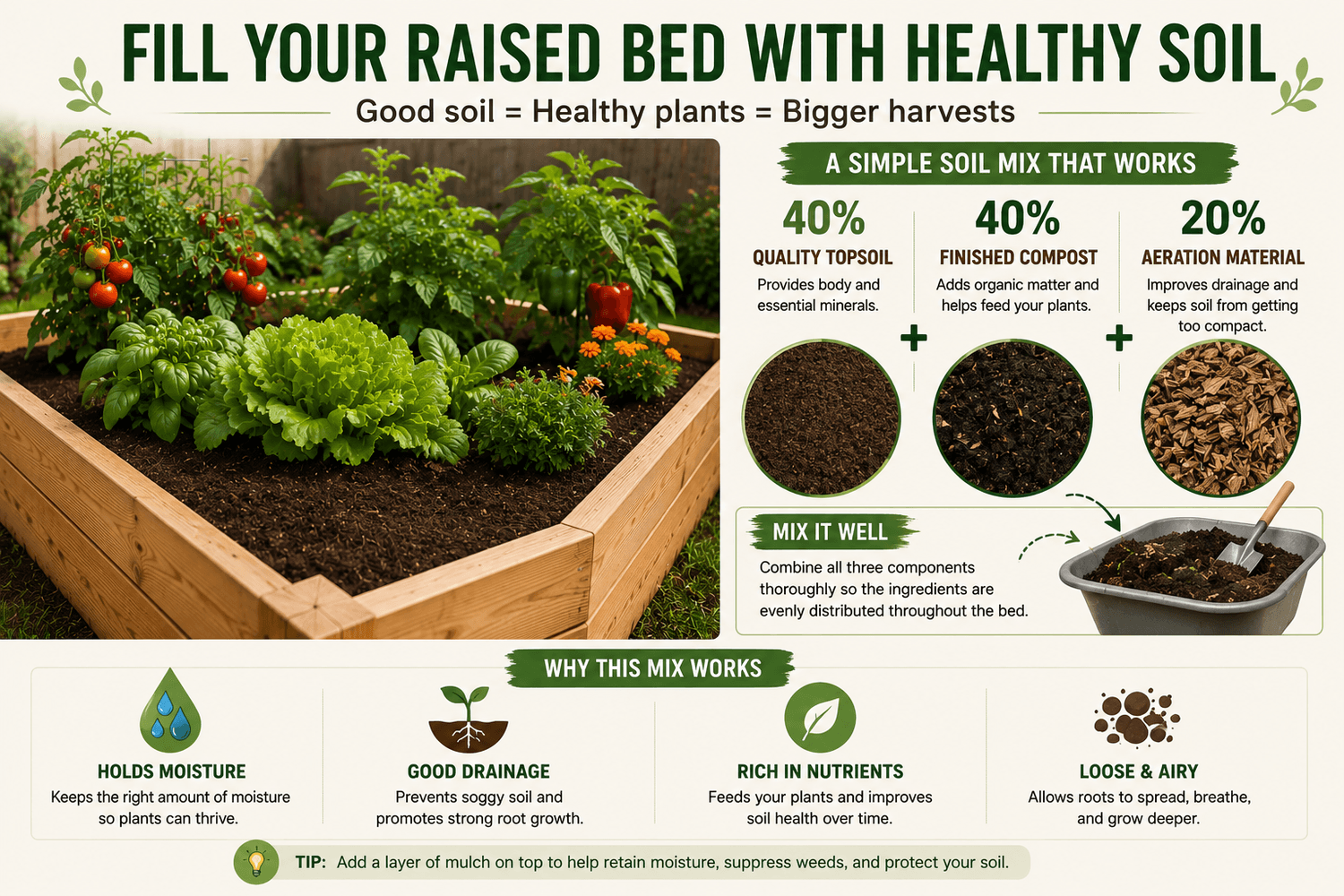
Your raised bed is only as useful as the growing environment you create inside it.
Avoid filling the entire bed with the cheapest soil available and expecting vegetables to flourish.
A Simple Beginner Soil Framework
A practical starting framework is:
40% Quality Topsoil
Provides body and mineral soil.
40% Finished Compost
Adds organic matter and contributes nutrients.
20% Aeration Material
Helps maintain pore space and drainage.
The goal isn't to obsess over mathematically perfect percentages. You want a balanced growing medium that can hold useful moisture while allowing excess water to drain and roots to access oxygen.
Mix your components throughout the growing zone rather than creating sharply separated layers.
As the garden matures, compost can help replenish organic matter.
Save this formula: 40% topsoil + 40% compost + 20% aeration material.
4. Choose Beginner-Friendly Vegetables
Your first raised bed doesn't need fifteen different crops.
Starting with a smaller selection makes it easier to understand what each plant needs.
Good possibilities include:
Choose crops that suit your climate, season, available sunlight, and eating habits.
If nobody in your household eats kale, don't dedicate half your bed to kale simply because it's considered beginner-friendly.
5. Plan Your Layout Before Planting
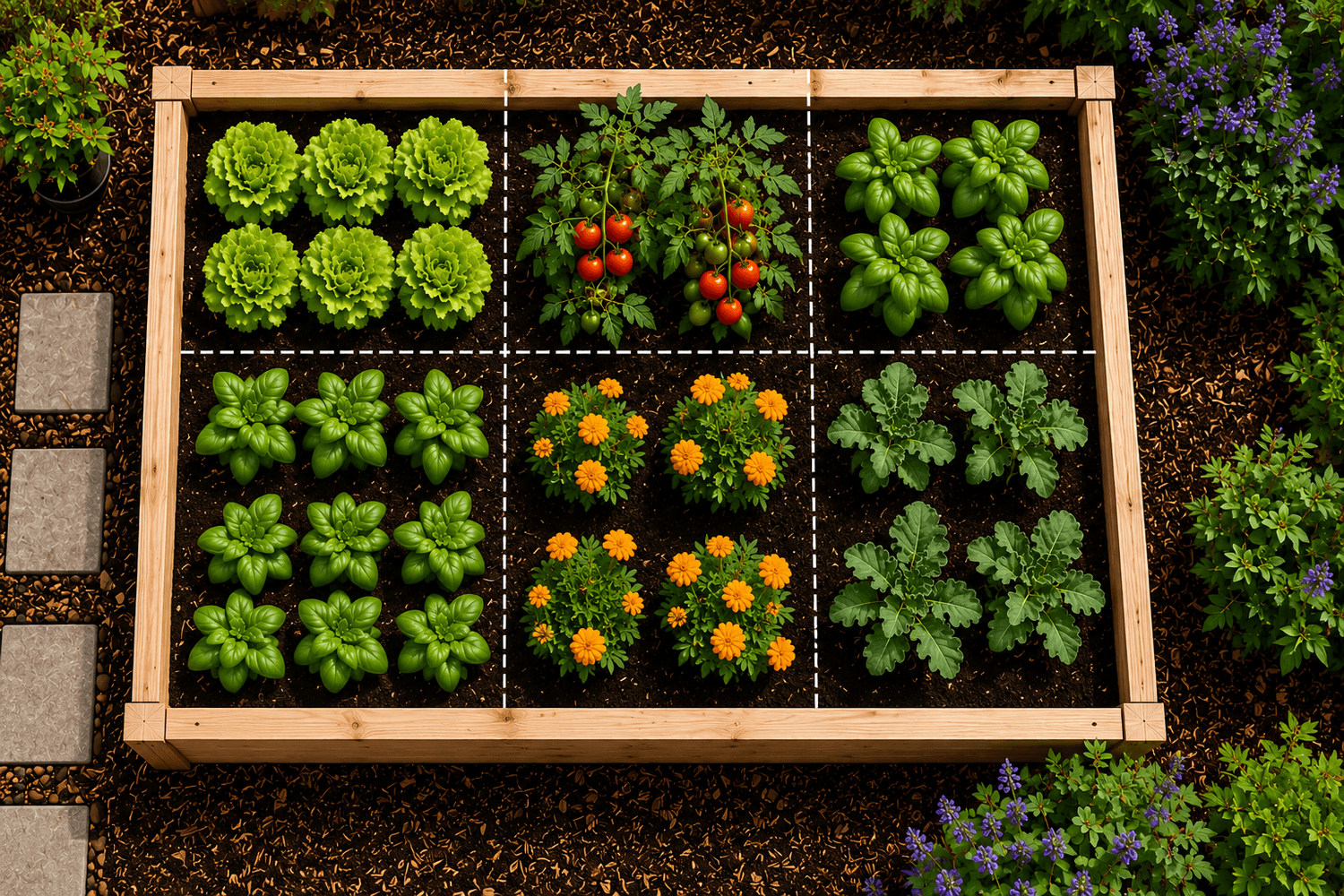
One of the easiest beginner mistakes is looking at tiny seedlings and forgetting how large they'll become.
That little tomato transplant won't stay little.
Before planting, consider:
Mature size: How much room will the plant eventually occupy?
Height: Could a tall crop shade smaller plants?
Growth habit: Will a cucumber vine spread unless it's supported?
Spacing: Are you trying to squeeze large plants into an unrealistic area?
Harvest timing: Can an early crop be replaced with another later?
Example 4×8 Raised Bed Concept
A simple layout might combine:
Tall zone: Tomatoes + basil
Medium crops: Peppers
Root crops: Carrots + radishes
Lower crops: Lettuce
Edges: Compact herbs
The exact arrangement should depend on your sun direction, varieties, mature plant sizes, and recommended spacing.
Remember: Intensive gardening means using space efficiently not overcrowding plants.
6. Grow Up When You Can't Grow Out
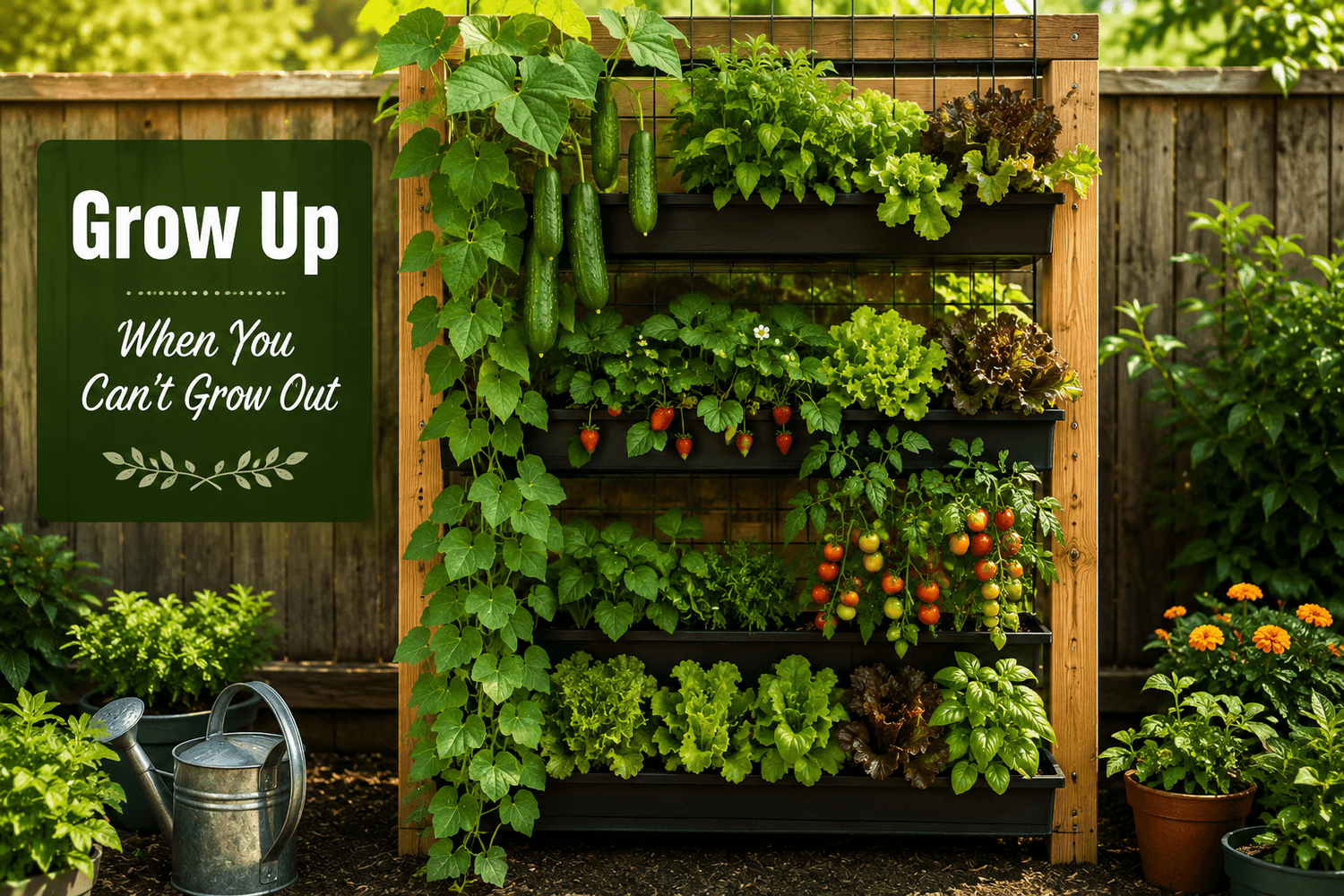
A small garden has more usable space than just its soil surface.
Look upward.
Trellises and supports can help crops such as:
Pole beans
Peas
Cucumbers
Indeterminate tomatoes
Suitable climbing varieties
Growing vertically can free valuable bed space while making some crops easier to inspect and harvest.
Position tall crops and trellises according to your garden's sunlight so they don't unnecessarily shade shorter vegetables.
7. Water the Soil, Not the Calendar
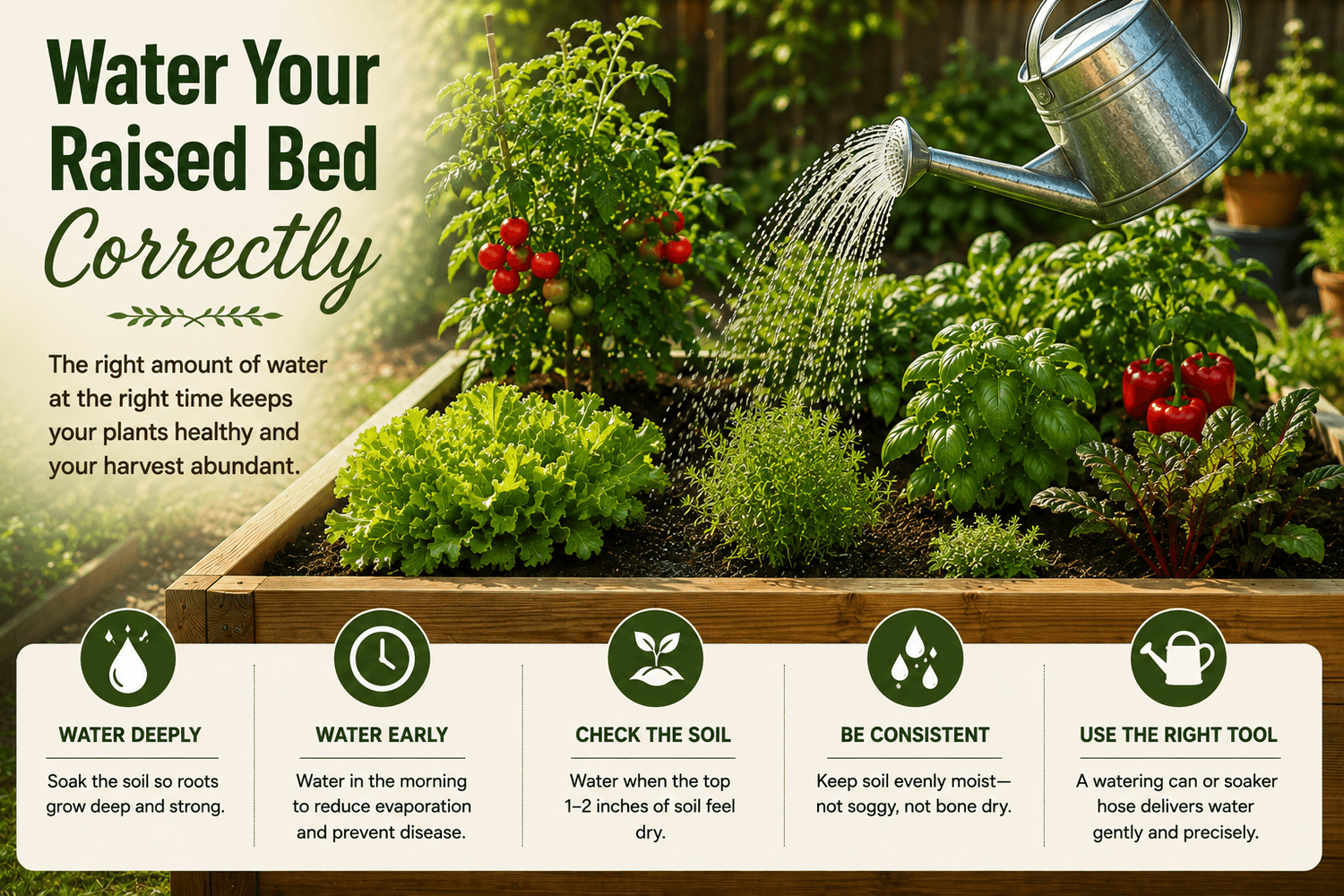
One of the most common beginner questions is:
“How many times a week should I water?”
There isn't one schedule that works for every raised bed.
Water needs change with temperature, rainfall, wind, soil composition, bed material, plant size, mulch, and season.
Try This Instead
Step 1: Check the soil.
Step 2: Feel below the dry surface.
Step 3: Water when the root zone needs moisture.
Step 4: Water thoroughly rather than automatically giving frequent tiny amounts.
When practical, direct water toward the soil and root area instead of routinely wetting the entire plant.
A calendar can't feel your soil. You can.
8. Feed Sensibly and Observe Regularly
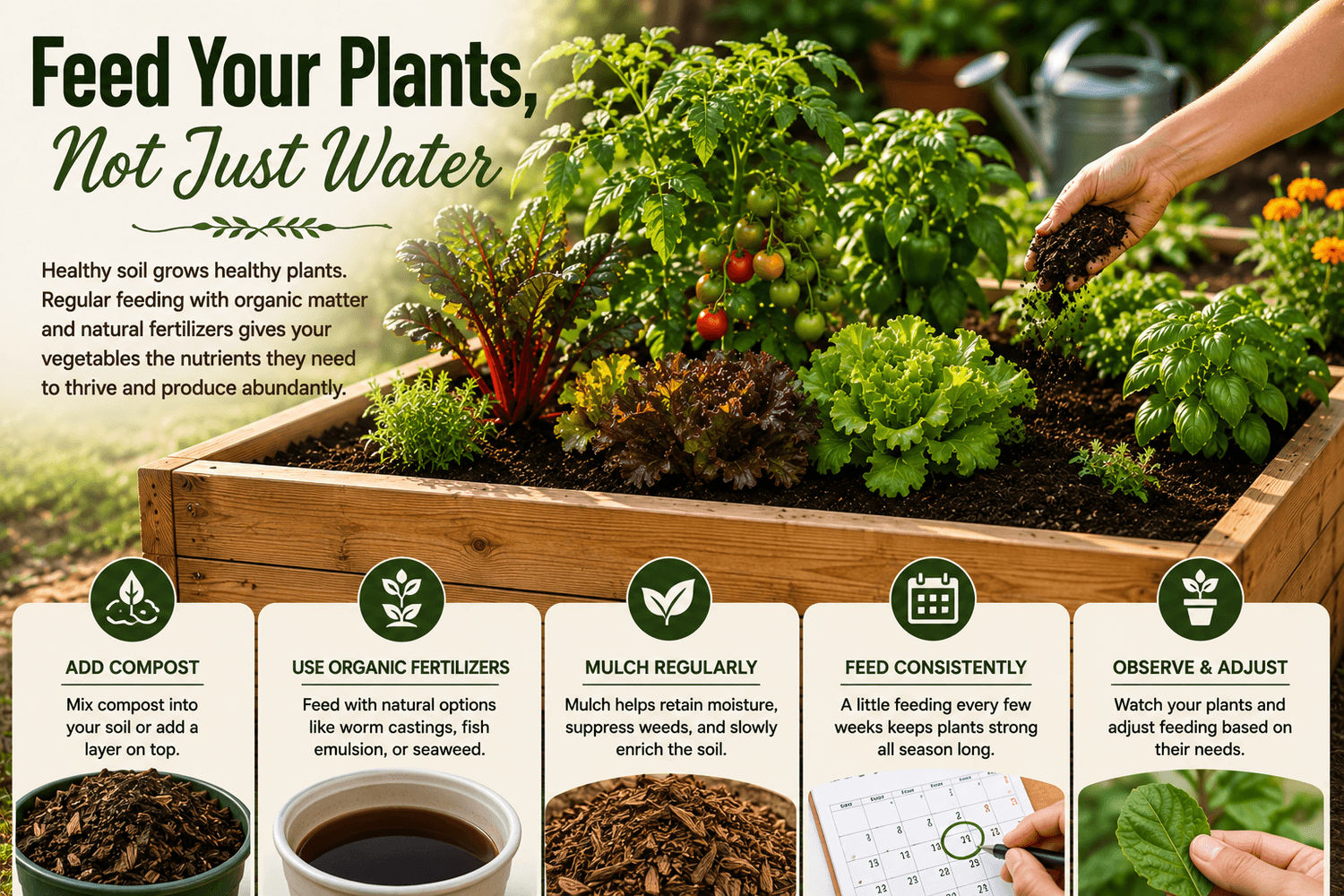
Plants need nutrients, but more fertilizer doesn't automatically mean more vegetables.
Begin with healthy soil and finished compost. If you use fertilizer, follow its directions rather than assuming a stronger mixture will improve results.
Then develop one of the most useful gardening habits:
Look at your plants regularly.
Ask:
Are the leaves changing color?
Is something chewing them?
Is a plant unexpectedly wilting?
Are flowers appearing?
Does anything need support?
Are vegetables ready to harvest?
A few minutes of regular observation can reveal problems while they're still manageable.
9. Expect Some Pests
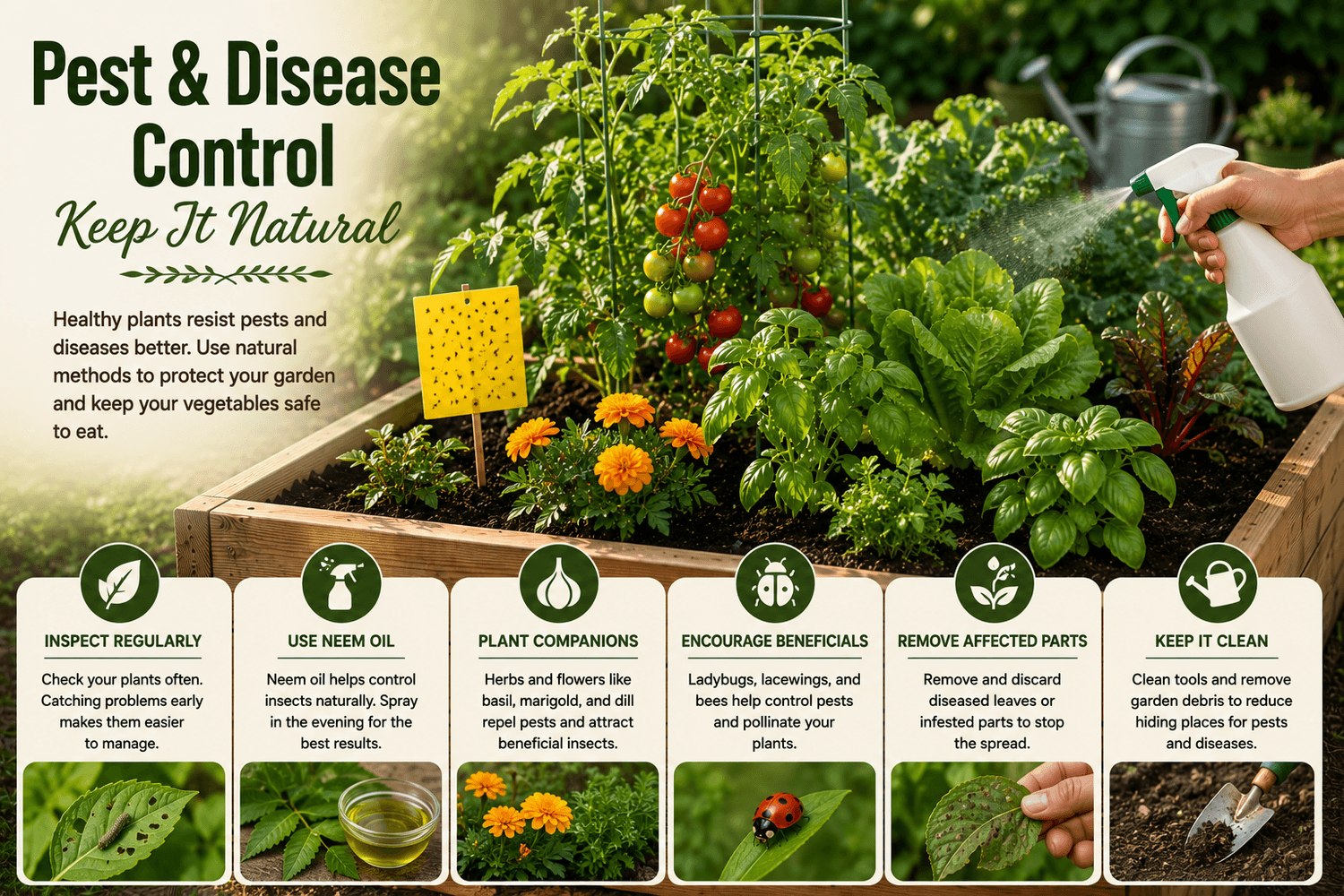
Your first chewed leaf can feel alarming.
It doesn't mean you've failed.
Gardens contain insects. Some damage plants, some are beneficial, and others have little meaningful effect on your vegetables.
When you notice a problem, identify it before treating it.
Check:
Leaf tops
Leaf undersides
Stems
New growth
Soil surface
Fruits
Look for insects, eggs, webbing, holes, spots, discoloration, or other clues.
Sometimes a small problem can be managed manually. Larger problems may require additional intervention.
The key is not to abandon the garden because one plant encounters trouble.
10. Harvest What You Grow
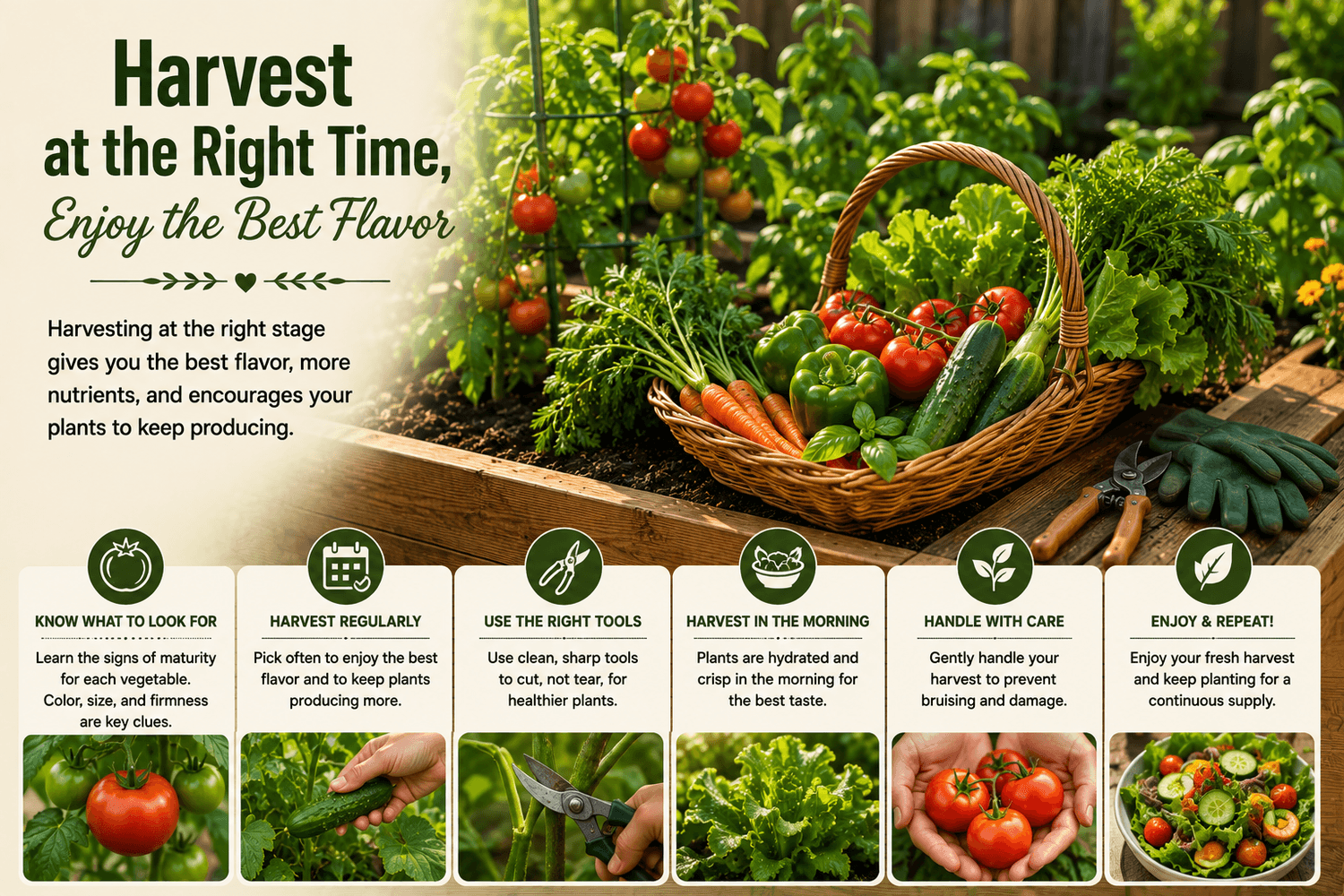
Don't spend months growing vegetables only to become nervous about picking them.
Many crops are best harvested at an appropriate stage, and regular harvesting can be especially useful with vegetables and herbs such as beans, cucumbers, zucchini, leafy greens, peppers, and basil.
Learn the harvest signs for each crop you plant.
Then enjoy what you've grown.
Fresh lettuce for dinner, basil for pasta, or the first pepper from your own garden may seem small, but those harvests build gardening confidence.
7 Raised Bed Mistakes to Avoid
Planting too much, too close together
Watering on a fixed schedule instead of checking the soil
Ignoring sunlight requirements
Skipping soil preparation
Not thinning seedlings
Harvesting too late or not harvesting regularly
Giving up after one pest or disease issue
Your First Raised Bed Checklist
Before planting:
Observe your yard's sunlight
Choose a well-drained location
Check access to water
Select a manageable bed size
Choose appropriate bed material
Prepare quality growing soil
Select crops for your climate and season
Check mature plant spacing
Install necessary supports
Check soil before watering
Monitor plants regularly
Harvest crops when ready
Get Your Free Raised Bed Gardening Starter Kit
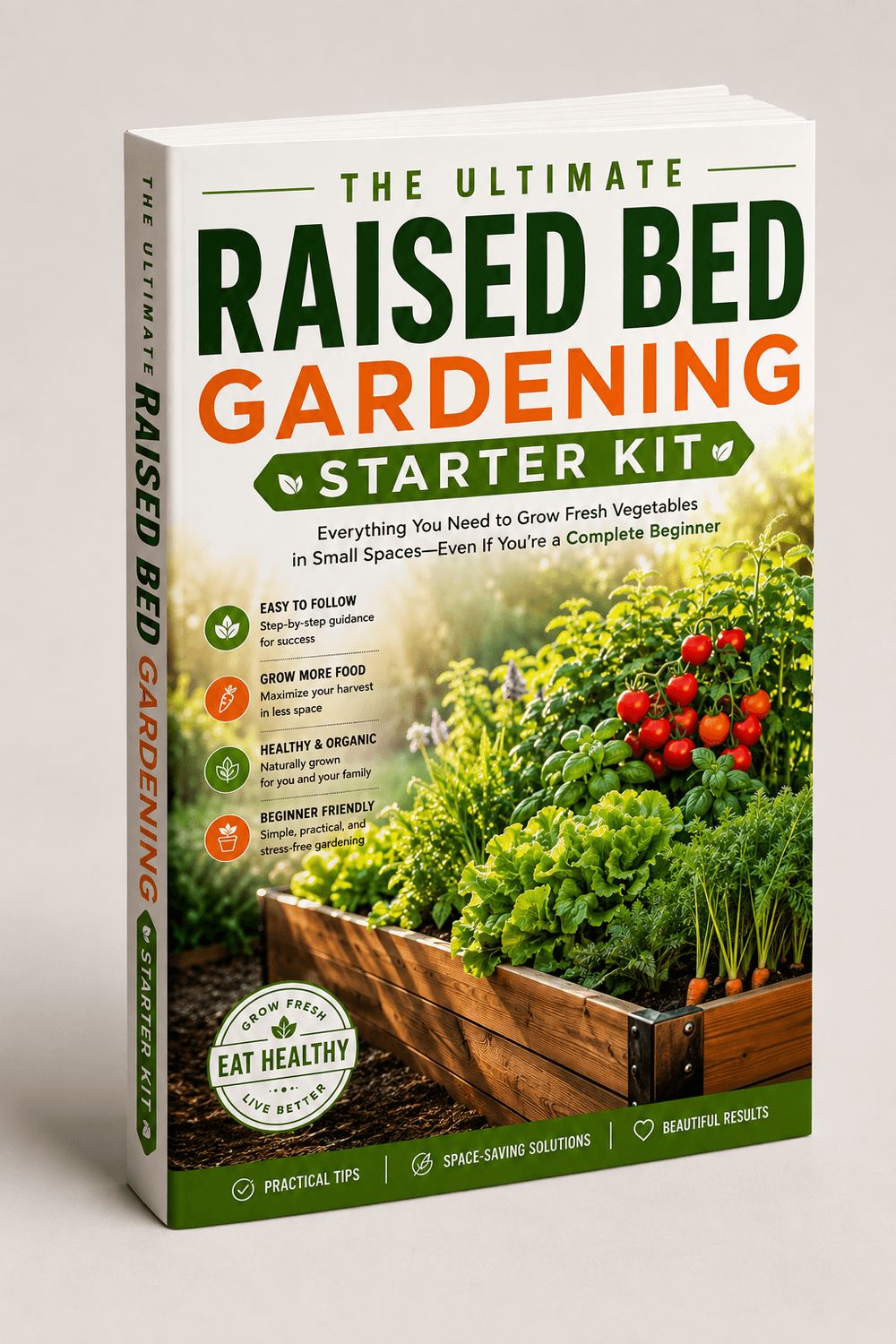
If you're thinking, “This makes sense, but I'd like something I can keep beside me while planning my garden,” that's exactly what The Ultimate Raised Bed Gardening Starter Kit is for.
The free beginner-friendly guide from Tiny Garden Harvest covers raised-bed basics, location, bed sizes, soil, easy vegetables, herbs, companion planting, watering, fertilizing, common mistakes, seasonal planting, pest prevention, harvesting, and maintenance.
Start Small. Learn. Keep Growing.
Your first raised bed doesn't have to be perfect.
Some vegetables may thrive. Others might struggle. You may discover that one location receives less sunlight than you expected or that your family eats far more lettuce than you planned for.
That's useful information.
Every growing season teaches you something.
You don't need acres of land, expensive equipment, or years of experience before planting your first seed.
Start with the space you have. Grow what you enjoy eating. Learn from what happens. Then make the next planting even better.
That's how a small garden becomes a big harvest.
Written by:
Wren Hartley
SHARE




About me
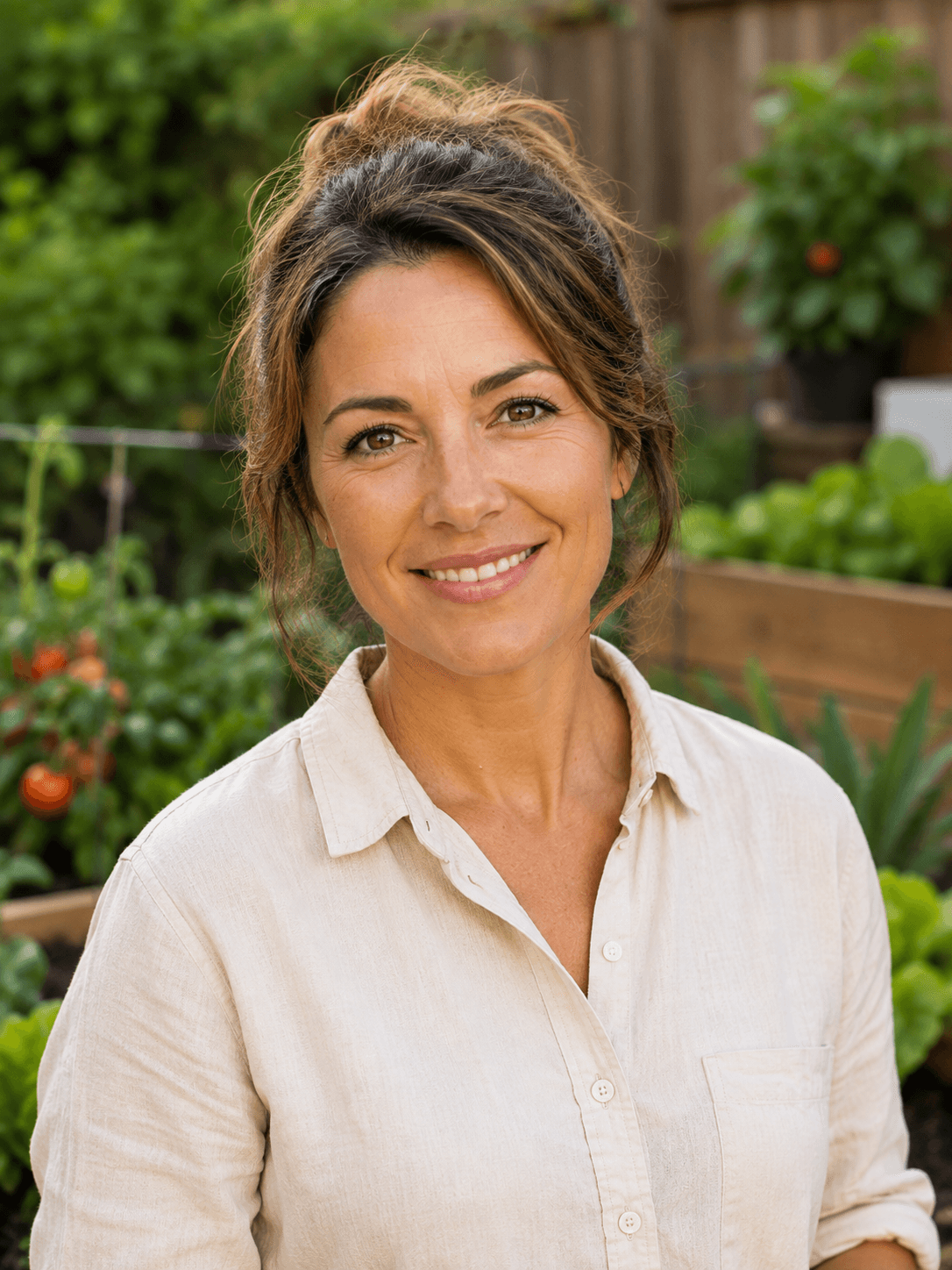
Hi there 👋 I’m Wren Hartley, the creator of Tiny Garden Harvest. I love helping beginners grow fresh food and enjoy bigger harvests from small spaces. 🌱

Trending
learn the basics of location, soil, vegetables, spacing, watering, and care.
Grow more food in less space with raised beds, vertical gardening, and smart crop choices.
Learn an easy raised bed soil mix using topsoil, compost, and aeration material.
Free E-book
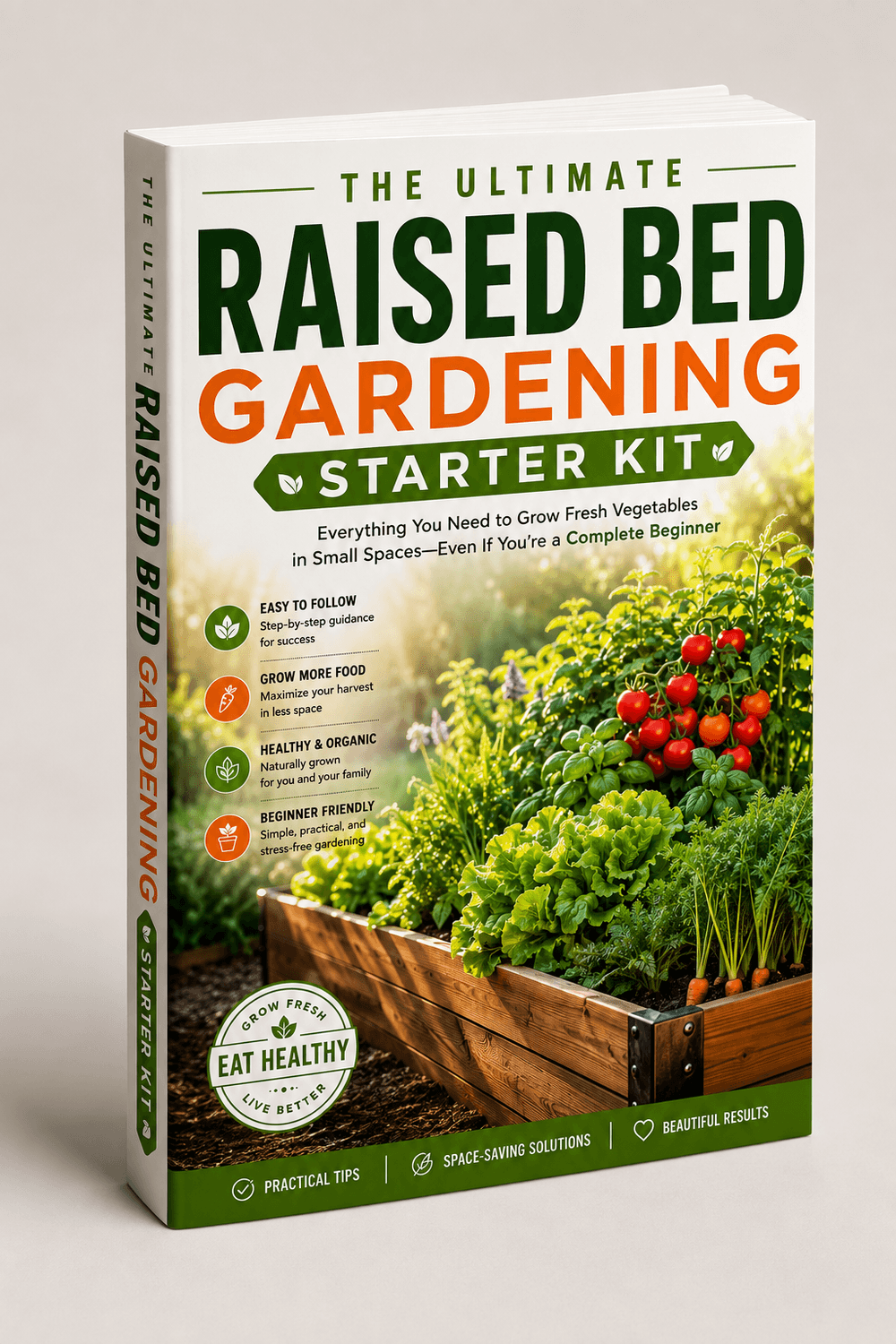
Grab your free Ultimate Raised Bed Gardening Starter kit -Ever if you've not garden before.
NEW FREE E-BOOK: Grow Fresh Vegetables in Small Spaces Even If You've Never Gardened Before