
How to Fill a Raised Garden Bed with the Right Soil
Starting your own vegetable patch is an exciting journey. You don't need a big upfront cost to begin. Instead, you can build it up gradually, making sure your plants do well without spending too much. If you haven't settled on a bed yet, our Raised Bed Gardening for Beginners guide covers the basics of location, sizing, and getting started.
Using containers gives you superior control over your growing space. You get better drainage, fewer weeds, and warmer soil in early spring. Choosing the right mix is key for long-term success. Container growing is also one of the easiest ways to garden in a tight footprint, something we cover further in How to Grow More Vegetables in a Small Space.
Many gardeners ask about the best soil for raised garden beds. By focusing on high-quality organic matter, you create a nutrient-rich base. Proper raised garden bed soil helps your veggies grow strong and healthy. Learning how to fill a raised garden bed well lets you enjoy a bountiful harvest every season.
Key Takeaways
Start your project in phases to manage costs effectively.
Raised structures provide better drainage and soil warmth.
Prioritize organic matter for a nutrient-dense foundation.
Consistent maintenance leads to a more productive harvest.
Control your environment to minimize common weed issues.
Gather Supplies and Choose the Best Location
Starting a garden is more than just planting seeds. It's about planning well to avoid waste and keep the project fun. A good plan helps you buy only what you need.
Measure the Bed’s Length, Width, and Depth
Getting the right measurements is key. You need to know the bed's length, width, and depth. This tells you how much material you'll need.
Precise dimensions mean you won't buy too much or too little. Knowing these helps you figure out how much filling you'll need.
Choose a Level Site With Adequate Sunlight
Choosing the right spot for your raised bed is important. Most veggies need at least six to eight hours of sunlight a day.
Make sure the ground is level. This stops water from running off and soil from settling unevenly. A flat base keeps your bed stable all season.
Collect Soil, Compost, Tools, and Protective Gear
Before starting, gather all your supplies in one spot. Having everything ready makes building your bed faster.
You'll need good soil and compost for your plants. Also, wear gloves and sturdy shoes for comfort while working.
Check for Safe Access to Water and Walkways
Your garden needs water to grow well. Make sure it's close to a water source, like a hose.
Wide walkways around the bed are also key. Easy access lets you reach every part without stepping on the soil.
Understand How Raised Bed Depth Affects Your Soil Plan
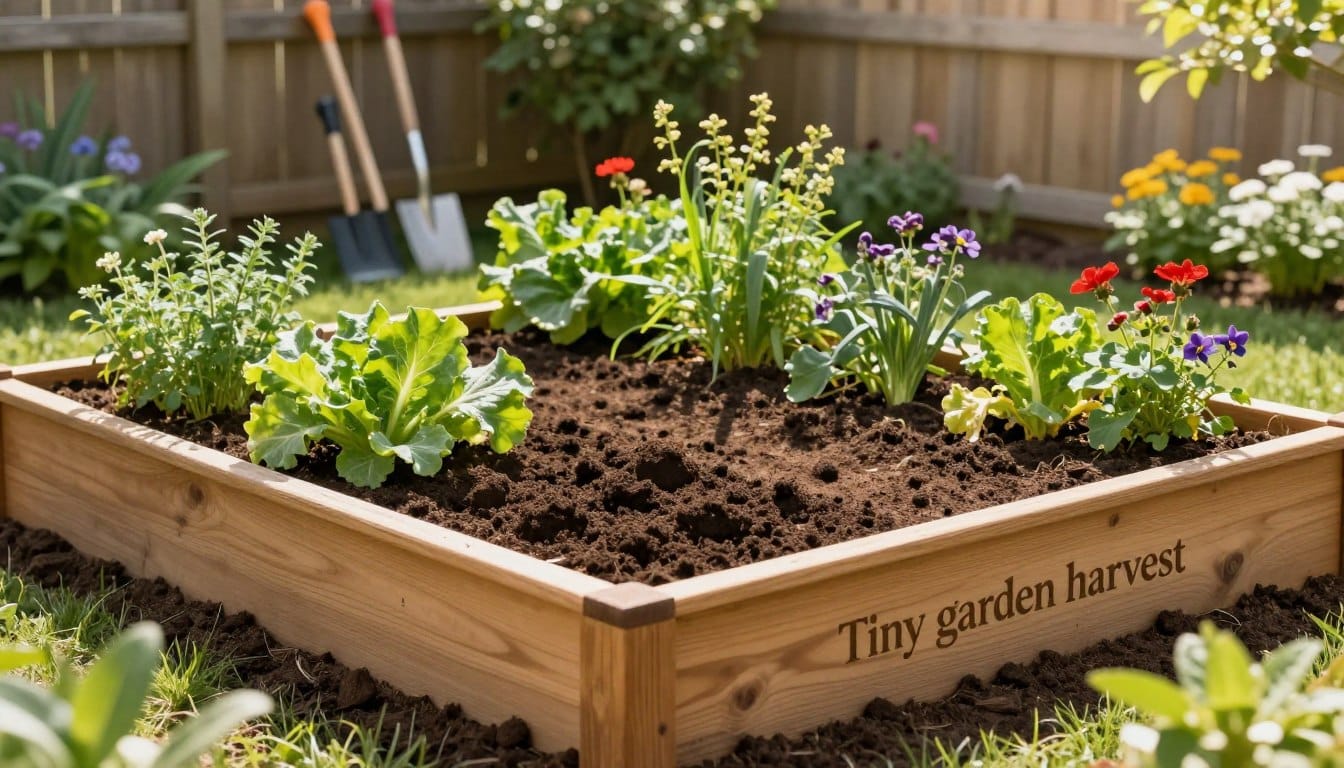
The secret to a thriving garden often lies in matching your raised garden bed depth to the specific needs of your plants. Instead of picking a random fill line, plan your structure based on the crops you want to grow. This way, your high-quality soil is exactly where your plants need it most.
Match Bed Depth to the Plants You Want to Grow
Every plant has a unique root system that dictates how much space it requires to flourish. By aligning your soil depth for raised garden beds with these biological needs, you create an environment that promotes healthy growth. You can even use lower layers of organic material to build a foundation that improves over time.
Use Shallow Beds for Herbs and Leafy Greens
If you are focusing on shallow-rooted plants like lettuce, spinach, or cilantro, you don't need a deep structure. A depth of at least 8 inches is usually enough. This saves on premium soil costs while giving roots enough room to spread.
Provide Deeper Soil for Root Crops and Large Plants
In contrast, deep-rooted plants such as carrots, potatoes, or tomatoes need more vertical space. Aim for 12 to 17 inches of high-quality soil above any buried organic matter. University of Maryland Extension recommends this same split — roughly 8 inches for leafy greens, beans, and cucumbers, and 12 to 24 inches for peppers, tomatoes, and squash. This extra room prevents stunted growth and allows for better nutrient uptake.
Account for Existing Ground Conditions Beneath the Bed
Your local environment plays a major role in how you should prepare your base. If your native soil is healthy and well-draining, you may not need a liner. This lets roots penetrate deeper into the earth. But if you're dealing with heavy clay or contaminated soil, a solid barrier is key to protect your garden's health.
Calculate How Much Soil You Need
Getting the math right is key when you want to fill a raised garden bed cheaply and well. Before you go to the garden center, figure out how much soil you need. This avoids extra trips or wasted money.
Convert the Bed’s Dimensions Into Cubic Feet
To find the volume, multiply the bed's length, width, and depth in feet. For instance, a 4x4x1 bed needs 16 cubic feet of material. This gives you the base for your raised bed soil mix needs.
Adjust the Calculation for Settling and Compaction
Soil settles after the first waterings. Add 10% to 15% extra to your total volume for this. If you need 20 cubic feet, aim for 23 to keep the bed full.
Compare Bagged Soil With Bulk Soil Delivery
Decide between bags and bulk based on your project size and budget. Bags are good for small beds, but bulk is cheaper for big ones. For a tight budget, fill only the planting zones first and add more later.
Use a Soil Calculator Without Underestimating the Volume
A reliable raised garden bed soil calculator helps avoid underestimating. Double-check your measurements before ordering. Underestimating can lead to higher costs from extra fees or trips.
Prepare the Ground and Build a Healthy Base
Starting a garden is all about the foundation. Preparing the ground ensures your plants get the nutrients and water they need.
Remove Grass, Weeds, and Debris From the Site
First, clear the area of any plants. This stops weeds from growing up through your soil.
Clear away rocks and large sticks.
Pull weeds by the root to stop regrowth.
Level the surface to ensure your frame sits flat.
Loosen Compacted Ground Beneath the Raised Bed
If the soil is hard, use a garden fork to loosen it. This lets roots grow deeper, improving raised bed drainage and plant health.
Install Weed Barrier Materials Only When They Serve a Purpose
You don't always need a weed barrier. Use one only if you're fighting aggressive weeds like Bermuda grass.
"A healthy soil ecosystem relies on the connection between your garden bed and the earth below."
Line the Bed Safely Without Blocking Drainage
If you use a barrier, pick materials that let water through. Cardboard or thick newspaper work well, a technique Texas A&M AgriLife Extension calls sheet mulching. They block weeds but let organic matter for raised beds break down and improve the soil.
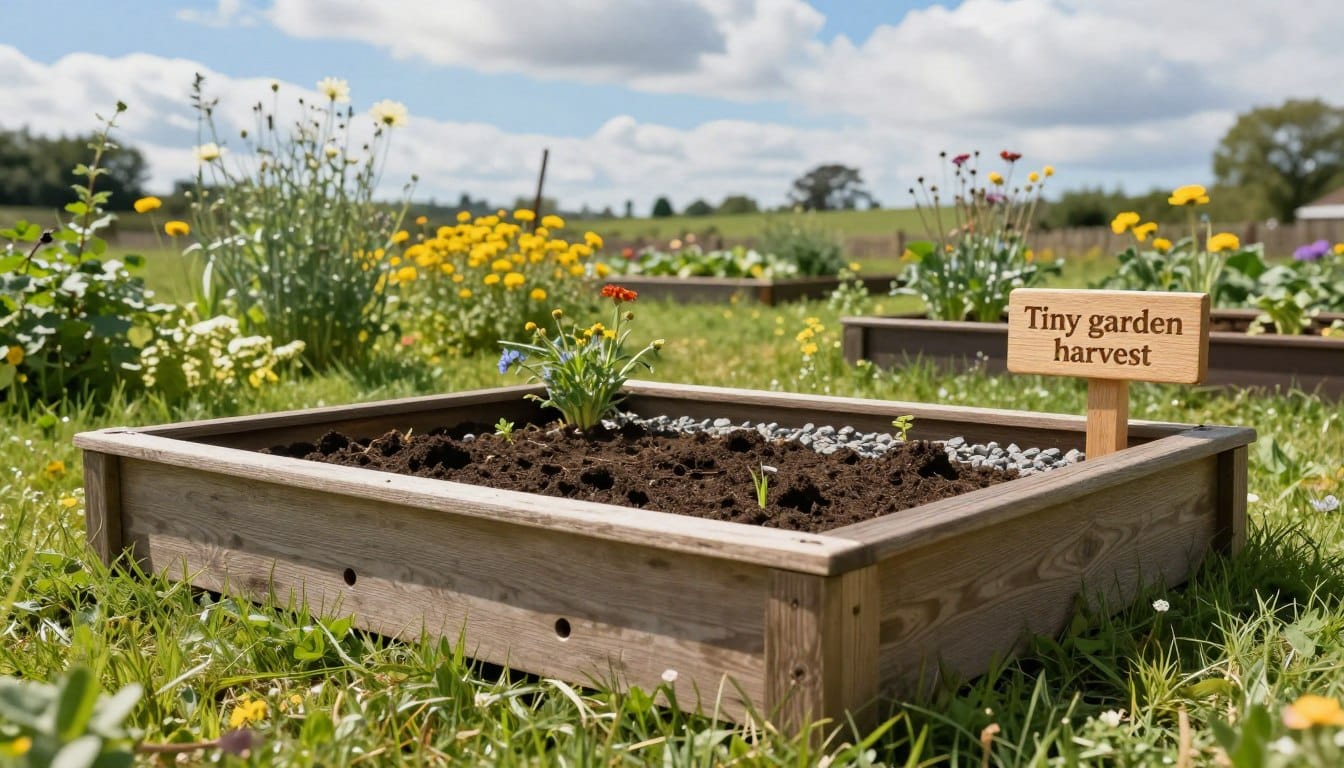
Why Gravel Usually Does Not Improve Raised Bed Drainage
Many think adding gravel helps with drainage. But it can actually trap water, making raised bed drainage worse.
Instead, use organic debris in raised beds like small twigs or dried leaves. These turn into organic matter for raised beds, which is better for your plants than non-decomposing organic debris in raised beds.
How to Fill a Raised Garden Bed With the Right Soil Mix
A good garden starts with quality soil. When you learn how to fill a raised garden bed, you're setting up for success. Focus on the most active areas first with the best materials. Then, improve the rest of your bed over time.
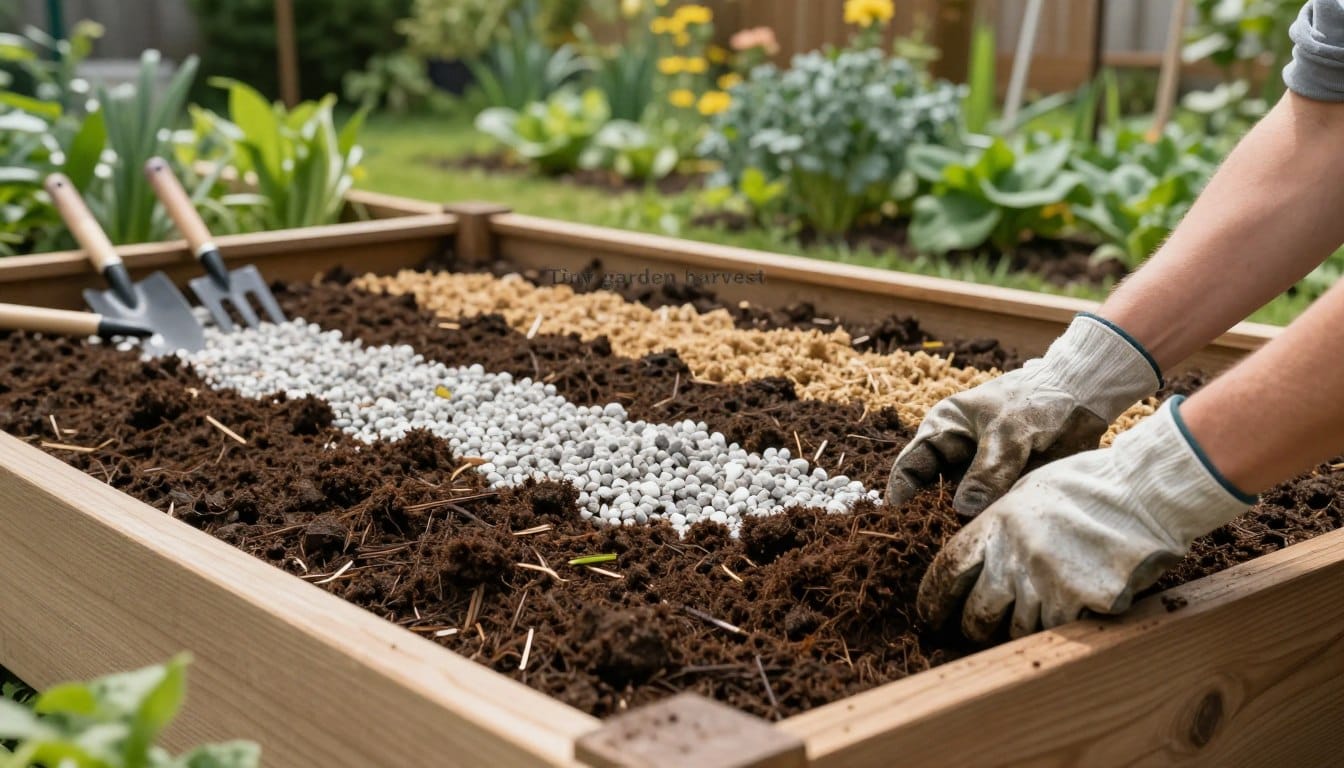
Choose a Balanced Blend of Topsoil, Compost, and Aeration Material
The best soil for raised garden beds mixes minerals and organic matter. This blend holds moisture and lets roots breathe.
Use Topsoil for Structure and Mineral Content
Topsoil is key for plant stability. It gives the soil weight and keeps plants upright in wind or rain.
Add Finished Compost for Nutrients and Organic Matter
Compost is the heart of your garden. Organic matter for raised beds comes from high-quality compost. It feeds your plants all season.
Include Coconut Coir, Leaf Mold, or Aged Bark for Airflow
Aeration materials prevent soil compaction. Coconut coir or aged bark keep the soil airy. This is good for roots and water flow.
Use a Practical Soil-Mix Ratio for Most Vegetables
A simple ratio works well for most vegetable gardens. A raised bed soil mix can be made with the right topsoil and compost mix. Follow the table below for a productive mix. If you'd rather start with a shorter, beginner-friendly version of this same ratio, see our Simple Raised Bed Soil Mix guide.
Adapt the Blend for Herbs, Flowers, Root Crops, or Acid-Loving Plants
Each plant has its own needs. Root crops like carrots need a light mix for growth. Acid-loving plants, like blueberries, might need peat moss or sulfur to lower pH.
Avoid Fresh Manure, Unfinished Compost, and Contaminated Fill
Use only finished materials to keep your garden safe. Fresh manure and unfinished compost can harm plants. University of New Hampshire Extension notes that raw or aged (but not properly composted) manure can carry pathogens like E. coli and Salmonella, so it should be avoided or worked in many months ahead of harvest, not added right before planting. Also, avoid fill dirt from unknown sources. It may have harmful substances.
Fill the Bed in Manageable Layers
Once your frame is ready, the way you layer your soil components determines your long-term success. Learning how to fill a raised garden bed effectively ensures that your plants have the nutrients they need to thrive throughout the season. By following a systematic approach, you create a stable environment for root development.
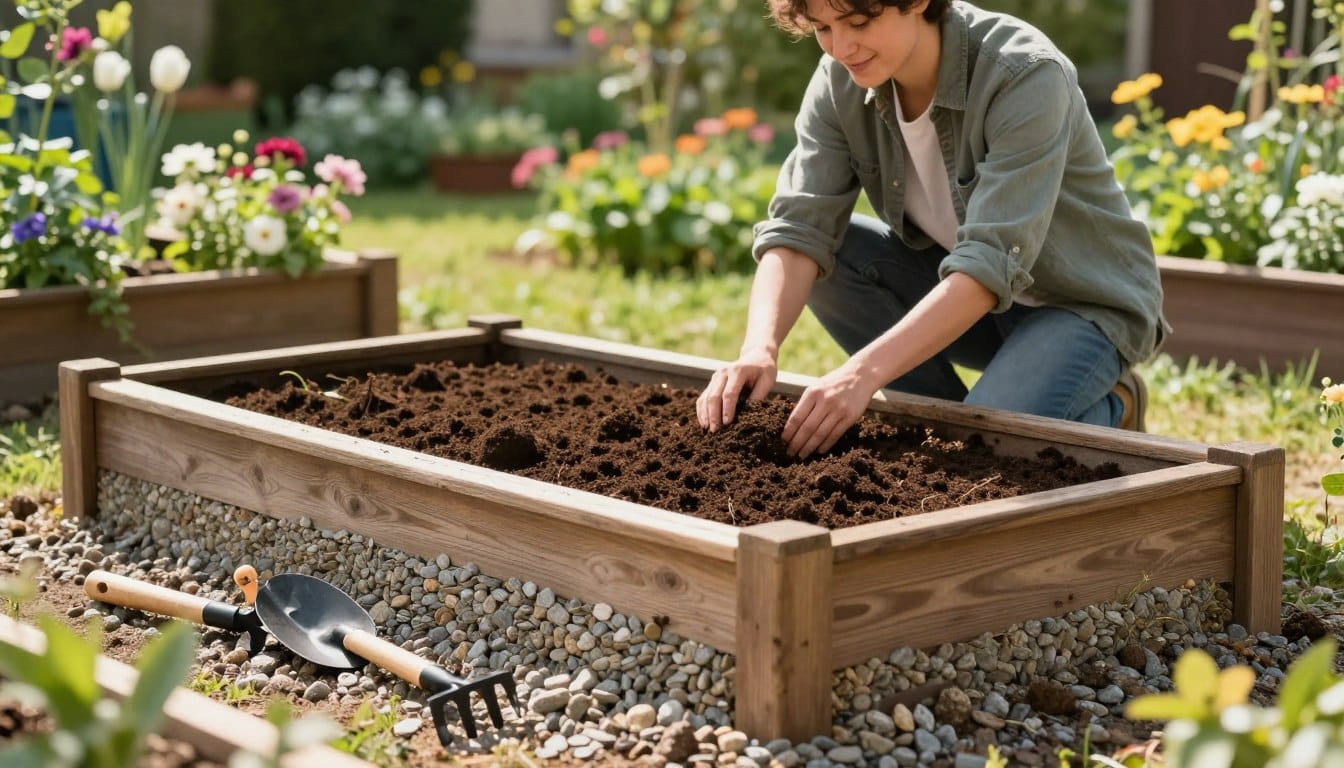
Step 1: Add the Base Material Without Creating a False Drainage Layer
You can use organic debris in raised beds, such as small twigs or dried leaves, to fill the bottom section. This method helps you fill raised garden bed cheaply while providing long-term nutrients as the material breaks down. Avoid adding large rocks or thick layers of gravel, as these can create a false raised bed drainage layer that prevents roots from reaching the native soil below.
Step 2: Combine Soil Ingredients Before They Go Into the Bed
Mixing your topsoil, compost, and aeration materials in a wheelbarrow or tarp before placement is vital. This ensures a consistent blend. A uniform mixture promotes even moisture retention and consistent nutrient availability for your plants.
Step 3: Add the Mix in Six- to Twelve-Inch Layers
Work in manageable increments to ensure the soil is distributed evenly across the entire bed. Adding the mix in six- to twelve-inch layers allows you to monitor the density of the medium. This process prevents large air gaps and ensures that the soil is ready for immediate planting.
Step 4: Moisten and Settle Each Layer Gently
After adding each layer, lightly spray it with water to help the particles settle naturally. This gentle moisture application helps the soil components bond without causing compaction. Proper settling is essential for maintaining the structural integrity of your garden bed.
Keep the Soil Fluffy Instead of Walking on It
Never step inside your raised bed, as the weight of your body will compress the soil and destroy its structure. Keep the soil fluffy by using a long-handled rake or your hands from the outside of the frame. A loose, aerated soil profile allows roots to expand easily and improves overall plant health.
Blend in Amendments Based on Soil Test Results
Growing vertically can free valuable bed space while making some crops easier to inspect and harvest.
Position tall crops and trellises according to your garden's sunlight so they don't unnecessarily shade shorter vegetables.
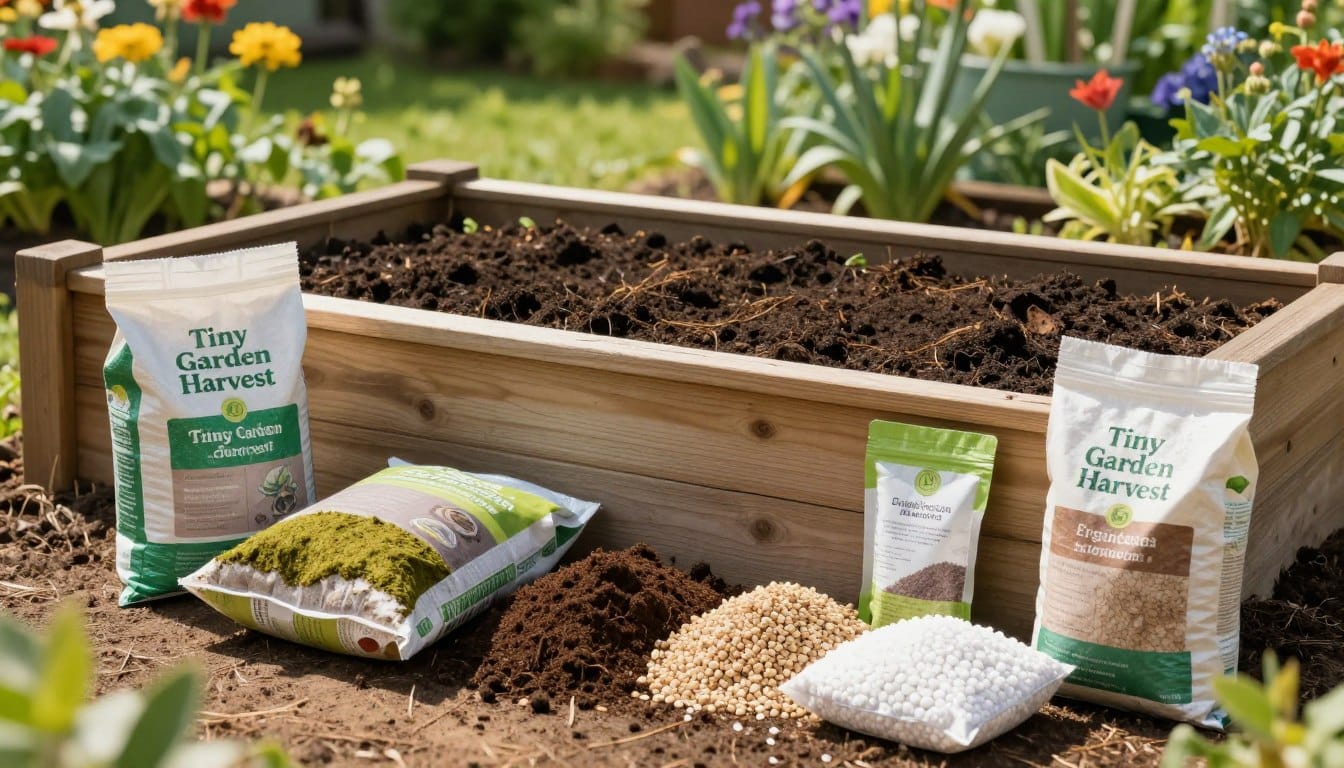
Test the Soil’s pH and Nutrient Levels Before Adding Fertilizer
Get a home testing kit or send a sample to a local university. This step shows what nutrients your soil lacks. You'll save time and effort by knowing exactly what to add.
Correct Low Fertility With Appropriate Organic Amendments
If your test shows a deficiency, choose the right organic fertilizer for raised beds. Options like blood meal, bone meal, or kelp provide nutrients slowly. They improve soil health over time, not just fix a quick problem.
Adjust Soil pH Carefully for the Crops You Are Growing
Managing your raised bed soil pH is key. Most vegetables do best in a slightly acidic to neutral range, 6.0 to 7.0, a target range confirmed by Mississippi State University Extension. If your soil is off, plants may struggle to absorb nutrients.
Use Lime, Sulfur, and Fertilizers Only at Recommended Rates
Always follow the application rates from your soil test. Too much lime or sulfur can harm plants. Precision is key when changing your garden's chemical balance.
“The goal of soil management is to create a balanced ecosystem. Roots should easily access nutrients without risk of chemical burn or toxicity.”
Recognize Why More Compost Is Not Always Better
Many think adding more compost for raised beds is always good. But, too much can cause salt buildup or poor drainage. Think about these factors before adding more:
Nutrient Overload: Too much compost can favor leaves over fruit.
Compaction Issues: Too much organic matter can settle the soil too quickly.
Salt Accumulation: High levels of compost can stress seedlings.
Testing first ensures your garden stays productive and healthy all season.
Finish the Surface and Prepare for Planting
Finishing your raised bed needs care to keep the soil structure intact. Think of your soil as a living thing that gets better with each season. A little extra care now will help your raised bed planting succeed.
Leave Space Between the Soil and the Bed’s Top Edge
Make sure to leave two inches of space between the soil and the bed's top. This space stops water and mulch from overflowing. It also keeps the soil depth for raised garden beds right where it should be.
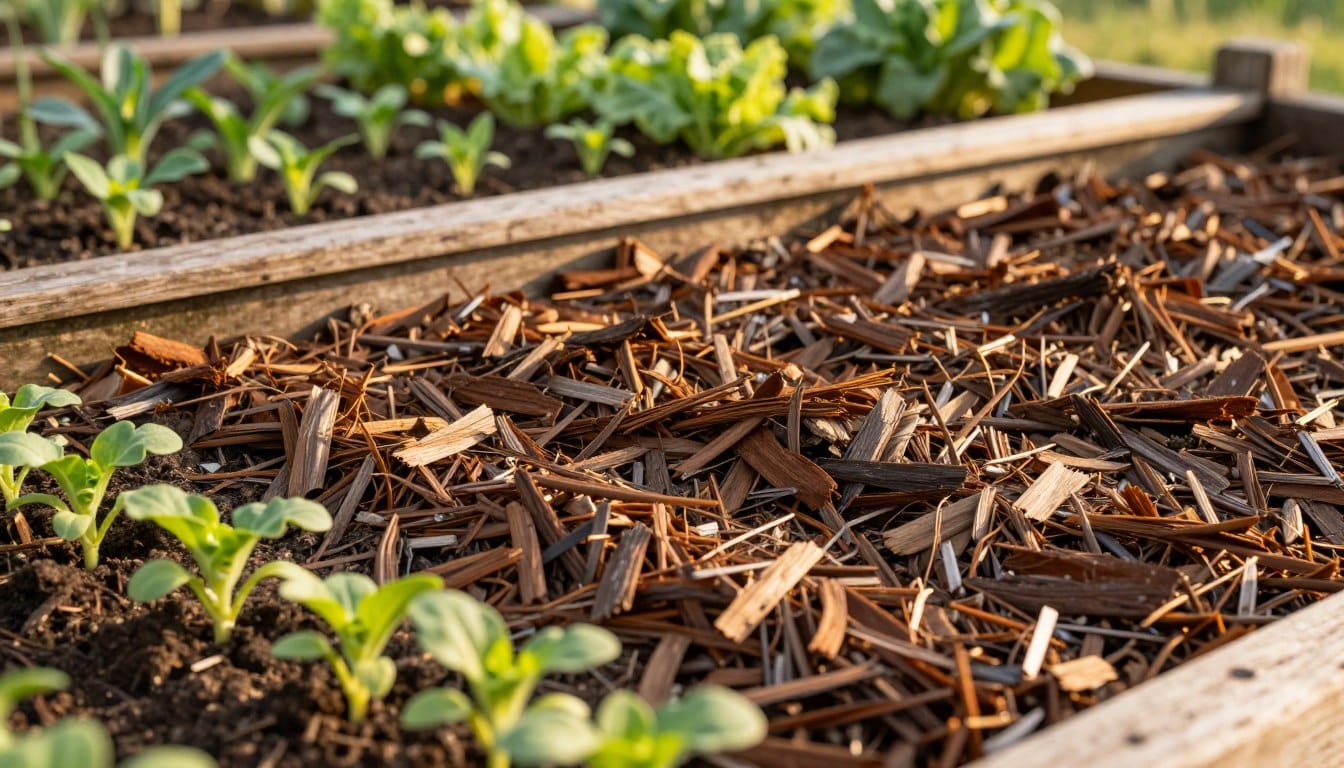
Level the Surface Without Compressing the Root Zone
Use a rake to level the soil surface gently. Don't step inside the bed to avoid compacting the soil. A loose, airy root zone is key for healthy plants and good nutrient uptake.
Apply a Suitable Mulch to Reduce Evaporation and Weeds
Using mulch for raised beds helps keep moisture in and weeds out. Straw, shredded leaves, or pine bark are great choices to protect the soil from the sun.
Keep Mulch Away From Plant Stems and Seed Rows
While mulch is good, don't pile it too close to plant stems. It can trap moisture and cause rot. Also, keep seed rows clear for easy sprout growth.
Water Thoroughly Before Sowing Seeds or Transplanting
Before adding plants, water your bed deeply. This helps settle the soil and gets rid of air pockets. Once it drains, your bed is ready for new plants.
Maintain the Soil Through the Growing Season
Once your soil is ready, your job changes from building to caring for it. Think of your garden as a living thing that needs gentle care, not strict rules.
Monitor Moisture Instead of Following a Fixed Watering Schedule
Don't water based on a schedule. Instead, check the soil moisture by feeling it with your finger two inches deep.
If it's dry, it's time to water. This simple step helps avoid overwatering, which can harm your plants.
Top-Dress With Compost Between Growing Seasons
Recycle your organic waste to fill raised garden bed cheaply. Adding compost each season gives your plants the nutrients they need.
"The soil is the great connector of lives, the source and destination of all. It is the healer and restorer and resurrector, by which disease into health, age into youth, death into life passes."
— Wendell Berry
Replace Settled Soil and Refresh Organic Matter Annually
Organic matter breaks down over time, lowering the soil level. Add fresh compost or soil amendments for raised beds every spring to keep it at the right height.
This keeps your plants in a good environment for growth. It also keeps the bed strong all year.
Rotate Crops to Reduce Nutrient Depletion and Disease Pressure
Planting the same crop in one spot too often can harm your soil. Rotating your vegetables helps prevent pests and keeps nutrients balanced.
Watch for Compaction, Poor Drainage, and Nutrient Deficiencies
Keep an eye on your plants for signs of trouble. Yellow leaves or slow growth can mean compacted soil or missing nutrients.
If water doesn't drain, your soil might be too dense. A little aeration with a fork can fix this without hurting the roots.
Protect Soil Health With Cover Crops or Winter Mulch
Don't leave your soil bare, as it can erode and grow weeds. Use mulch for raised beds like straw to protect it.
Or, plant cover crops like clover to add organic matter. This keeps the soil alive and ready for next season.
Conclusion
Your journey to a bountiful harvest starts with knowing how to fill a raised garden bed. First, measure your space and pick the right spot. Then, figure out how much soil you need. This sets the stage for your plants to grow well.
Shallow-rooted plants do great in 8 inches of soil. But bigger veggies need up to 17 inches to grow fully.
You don't have to get everything right on the first try. Your soil will get better as you add organic matter and compost. This way, you save money and make your garden a vibrant ecosystem.
To keep your soil in top shape, stick to a regular routine. Add garden waste and fresh compost to keep nutrients flowing. Share your garden's growth with others or post pictures to inspire your community. Your garden is a long-term journey that pays off with each season.
FAQ
How do I accurately calculate the amount of soil needed for my raised garden bed?
To find out how much soil you need, multiply the length, width, and depth of your bed in feet. For example, a 4x8-foot bed that's 1 foot deep needs 32 cubic feet of soil. Many products, like Miracle-Gro Performance Organics, are sold by the cubic foot, making it easy to buy.
If you're buying in bulk, divide your total cubic feet by 27. This will tell you how many cubic yards you need to order.
Should I buy bagged soil or have it delivered in bulk?
Choosing between bagged and bulk soil depends on your project size and budget. For small beds, bagged soil like Black Gold All Purpose Potting Mix is convenient and consistent. But for large beds, bulk delivery of a 50/50 topsoil and compost blend is cheaper.
You can add specialized amendments like Espoma Organic Garden Tone to improve the soil's nutrient levels.
How deep does my raised garden bed actually need to be?
The depth of your bed depends on what you're growing. For plants like leafy greens and herbs, 8 inches of soil is enough. But for tomatoes and root crops, you need 12 to 18 inches.
This extra depth lets roots grow without hitting compacted soil or drainage barriers.
Can I use the Hugelkultur method to save money on filling my bed?
Yes, you can use a modified Hugelkultur method. Place organic debris like logs and leaves at the bottom of deep beds. This saves money on soil.
As these materials break down, they create a nutrient-rich environment. Make sure to have at least 10–12 inches of good soil on top for your plants.
What is the ideal soil recipe for a productive vegetable garden?
A good mix for a vegetable garden is one-third topsoil, one-third compost, and one-third aeration material like vermiculite. This mix gives plants the nutrients they need.
Many gardeners also add coconut coir or peat moss to keep the soil moist during the summer.
Should I put a weed barrier like landscape fabric at the bottom of my bed?
Use a weed barrier only if you have aggressive weeds or invasive grasses. For most cases, unprinted cardboard is better. It kills weeds and eventually breaks down.
Avoid plastic liners, as they can trap water and cause root rot in your plants.
How do I prevent the soil from settling and leaving a large gap at the top?
Soil mixes will settle as air pockets collapse. To prevent gaps, fill your bed in 6-inch layers. Lightly water each layer to settle the soil without packing it down.
Fill the bed a bit higher than your desired line to account for initial shrinkage.
Do I need to test the pH of my new soil before planting?
Even with premium soil, testing the pH is a good idea. Most vegetables prefer a slightly acidic to neutral pH (6.2 to 7.0). Use a Luster Leaf Rapitest kit for a quick test.
If the soil is too alkaline or acidic, add elemental sulfur or garden lime as needed. Testing prevents over-fertilizing.
What is the best way to maintain soil fertility year after year?
To keep your soil fertile, top-dress your beds with 1–2 inches of fresh compost every spring or fall. Use a product like Coast of Maine Quoddy Blend.
Avoid tilling, as it disrupts beneficial fungi. Instead, practice crop rotation and use organic mulches like straw or wood chips to protect the soil.
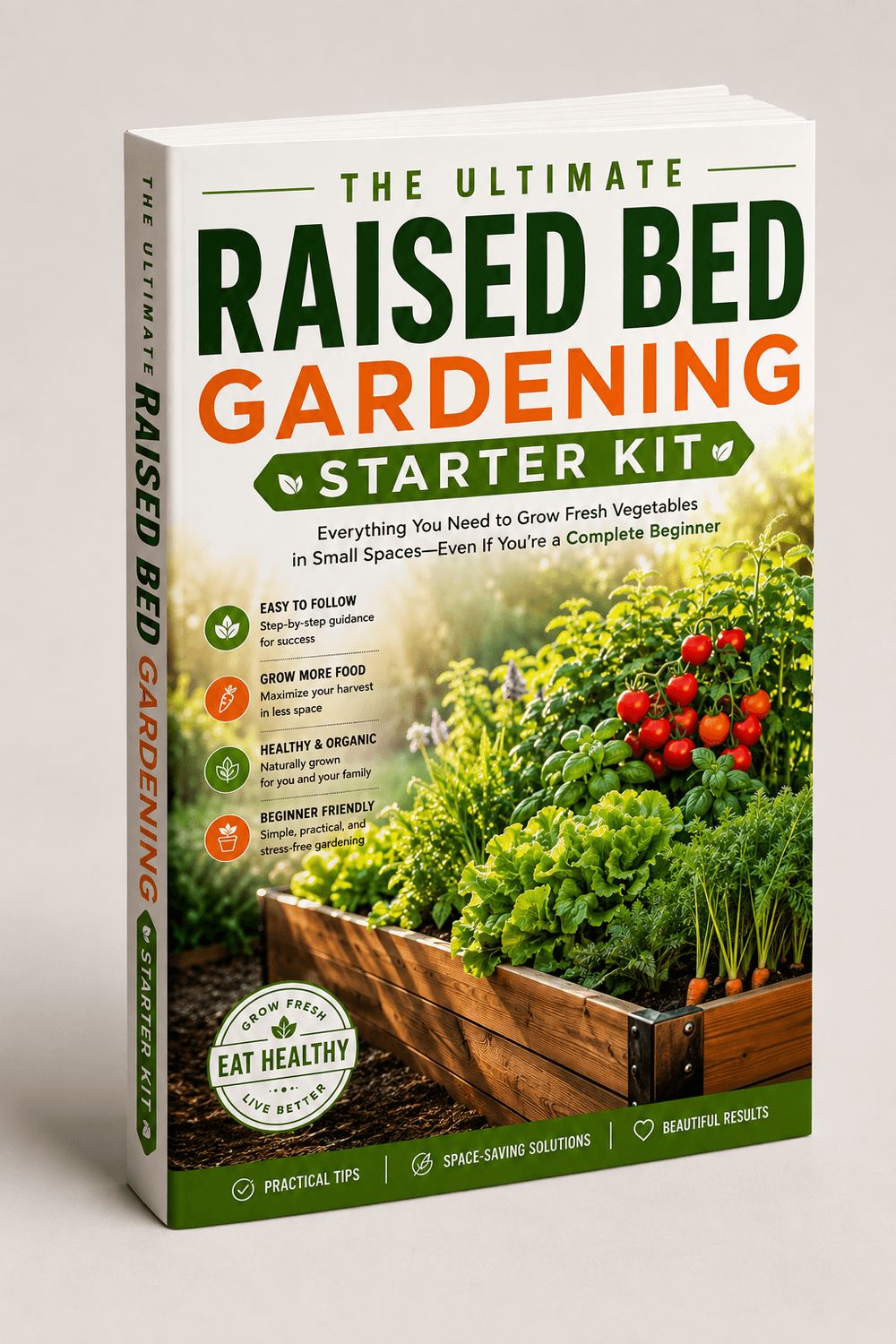
Get Your Free Raised Bed Gardening Starter Kit
If you're starting your first raised bed, get The Ultimate Raised Bed Gardening Starter Kit for beginner-friendly help with planning your garden, choosing vegetables and preparing your growing space.
Written by:
Wren Hartley
SHARE




About me

Hi there 👋 I’m Wren Hartley, the creator of Tiny Garden Harvest. I love helping beginners grow fresh food and enjoy bigger harvests from small spaces. 🌱

Trending
learn the basics of location, soil, vegetables, spacing, watering, and care.
Grow more food in less space with raised beds, vertical gardening, and smart crop choices.
Learn an easy raised bed soil mix using topsoil, compost, and aeration material.
Free E-book
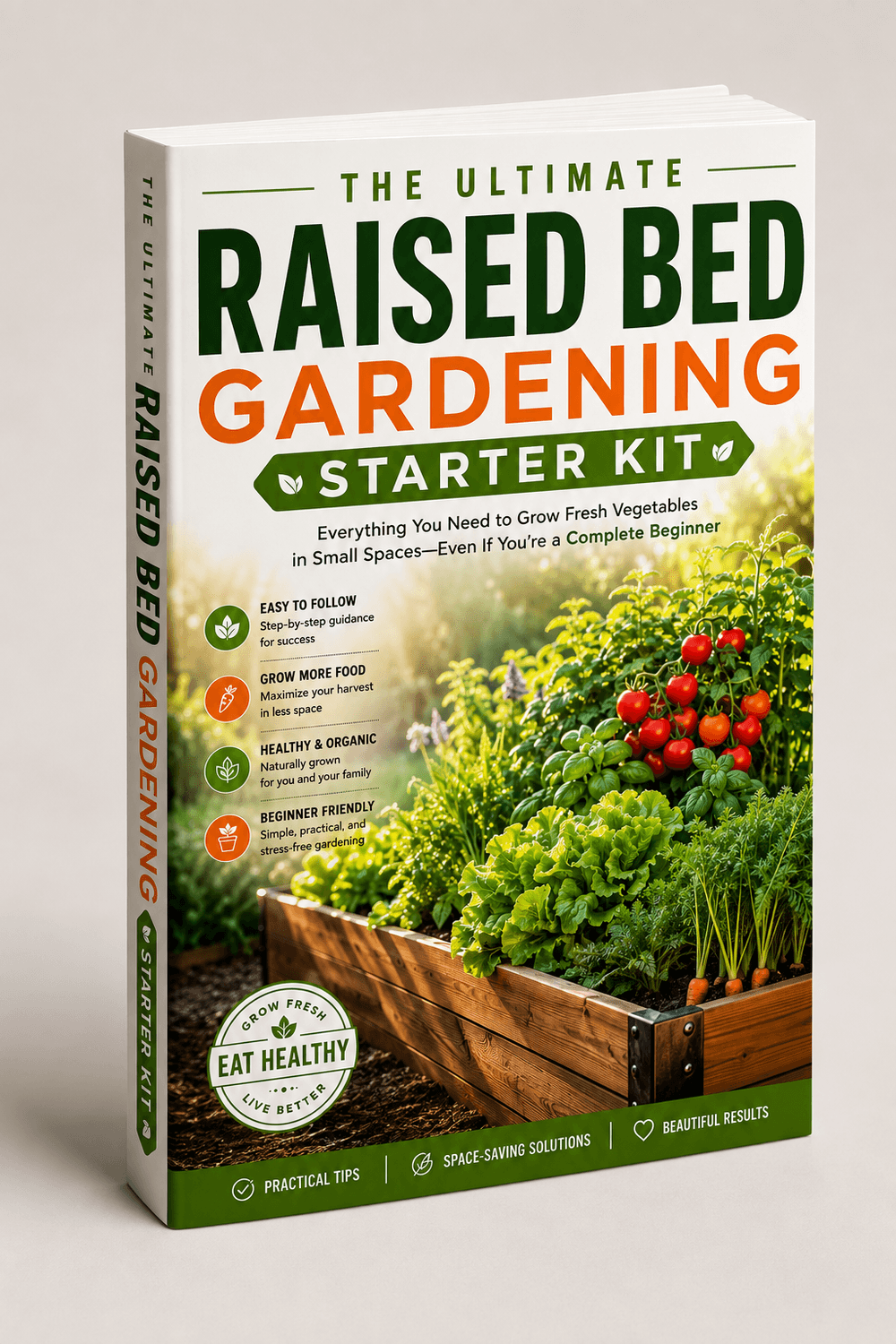
Grab your free Ultimate Raised Bed Gardening Starter kit -Ever if you've not garden before.
NEW FREE E-BOOK: Grow Fresh Vegetables in Small Spaces Even If You've Never Gardened Before